
Why Overpacking Is Harder to Fix Than You Think

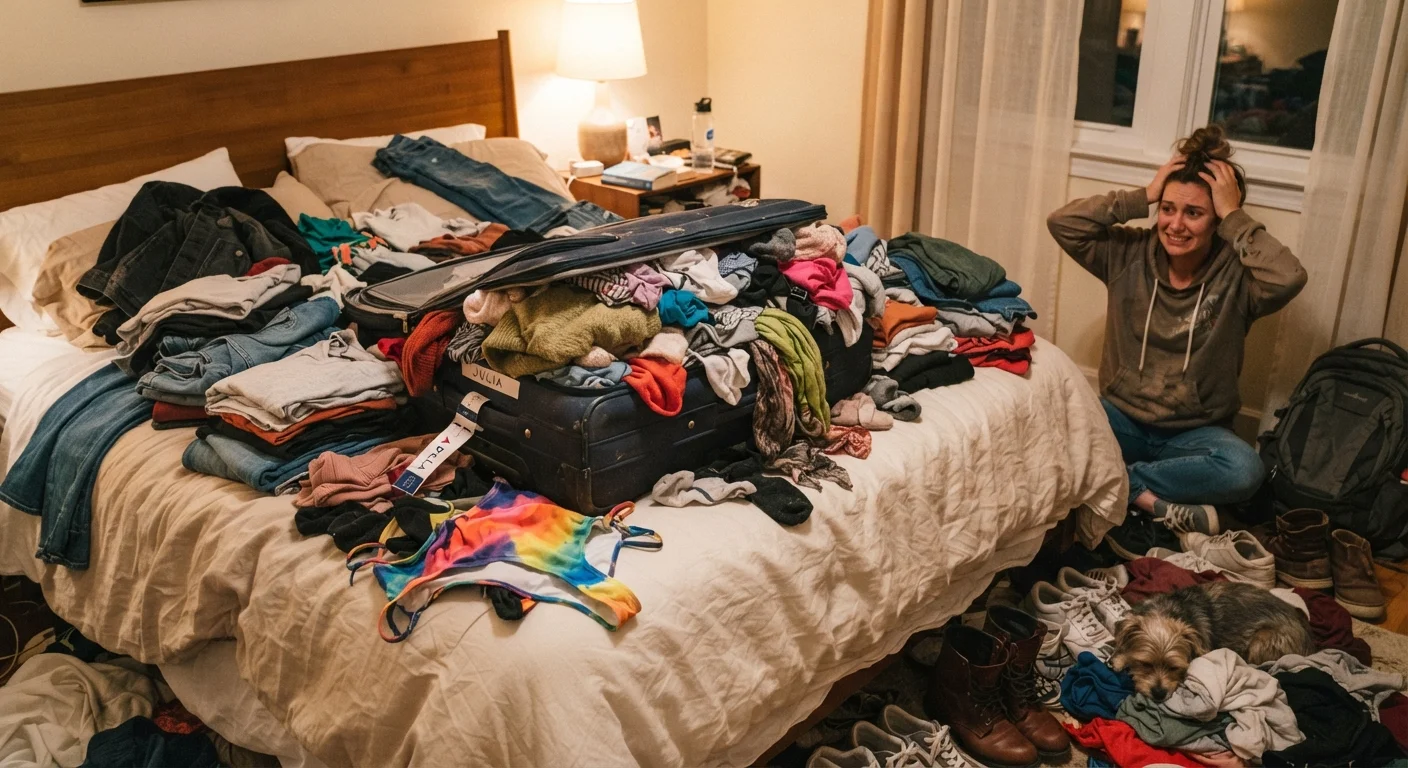
Photo: Online-Searches.net | Explore Insightful Blogs editorial
Key Takeaways
- Overpacking is driven by emotional habits and anxiety, not actual travel needs.
- Most travelers can rewear outfits and access laundry or shops at their destination.
- A packing list built around activities — not fears — dramatically reduces bag weight.
- Luggage fees, physical strain, and lost flexibility are real costs of carrying too much.
- Breaking the overpacking cycle requires deliberate practice before each trip.
Why Overpacking Feels Logical Until It Isn't
Ask almost any traveler what they regret most after a trip, and "bringing too much" ranks at or near the top. Yet before the next trip, the same bags get stuffed just as full. That gap between experience and behavior is the real puzzle — and it's rooted in psychology, not poor planning skills.
Packing happens at home, where comfort is the default. The brain runs a version of worst-case thinking: What if it rains every day? What if there's a formal dinner? What if I need a backup for my backup? Each "what if" earns a spot in the suitcase. The result is a bag built for imaginary scenarios rather than the trip you're actually taking.
The good news is that understanding why overpacking happens is the first step toward stopping it. For a broader look at decisions that quietly undermine even well-organized trips, this guide to overlooked trip details is worth your time before you start loading a suitcase.
Packing for every possible scenario instead of the most likely ones.
Treating every day of the trip as requiring a completely fresh outfit.
Packing full-size toiletries and duplicating items already available at the destination.
Adding "just in case" items that have never once been used on a past trip.
Choosing the largest bag available to "have room" rather than right-sizing to the trip.
The Real Costs You're Carrying
Overpacking isn't just inconvenient — it has measurable costs that compound throughout a trip. Checked baggage fees can add up quickly on domestic and international flights. A heavy bag slows you down in airports, on cobblestone streets, and at train stations with no elevator. It limits your flexibility to move spontaneously, since dragging a massive rolling bag to a day trip or a last-minute city change becomes a genuine ordeal.
~$35–$40
Average one-way checked bag fee on U.S. domestic flights
Airline baggage fee structures vary and change frequently; checking your carrier's current policy before booking is always worthwhile.
68%
Travelers who say they packed too much on their last trip
According to traveler surveys cited across multiple consumer travel publications, the majority of people consistently report overpacking as their top packing regret.
There's also the mental load. Every item you packed but didn't use is a small, nagging reminder of a decision that didn't serve you. Over a two-week trip, that adds up. Packing light isn't about deprivation — it's about buying back freedom. If you're working toward a carry-on-only approach, this practical carry-on guide breaks down exactly how experienced travelers make it work for any length of trip.
Luggage Fees Can Derail Your Travel Budget
Building a Smarter Packing Habit
The most effective packing lists are built around activities, not anxiety. Start by writing down what you'll actually be doing each day — hiking, business meetings, beach time, city walking — then assign outfits to activities rather than days. Most people discover they need significantly fewer clothing items than they assumed, especially once they factor in rewearing and a single laundry session mid-trip.
A reliable method: pack what you think you need, then remove one-quarter of it before closing the bag. You'll almost never miss what you pulled out. Couple this with a consistent pre-trip routine — the kind of small habit that pays off every single journey. Small habits that make every trip easier covers exactly how experienced travelers use low-effort routines to avoid packing regret and dozens of other common headaches.
For a more structured approach to building a list that actually fits your trip, packing for a trip without starting over three times offers a clear-headed framework from the ground up. And if you're juggling the full cost picture — including luggage fees that tend to surprise first-timers — budgeting for a trip honestly will help you account for those numbers before you book. The trip planning hub pulls it all together if you're organizing a bigger journey from scratch.
The content provided on our blog site traverses numerous categories, offering readers valuable and practical information. Readers can use the editorial team’s research and data to gain more insights into their topics of interest. However, they are requested not to treat the articles as conclusive. The website team cannot be held responsible for differences in data or inaccuracies found across other platforms. Please also note that the site might also miss out on various schemes and offers available that the readers may find more beneficial than the ones we cover.