
Navigating Visa Requirements: What American Travelers Need to Know

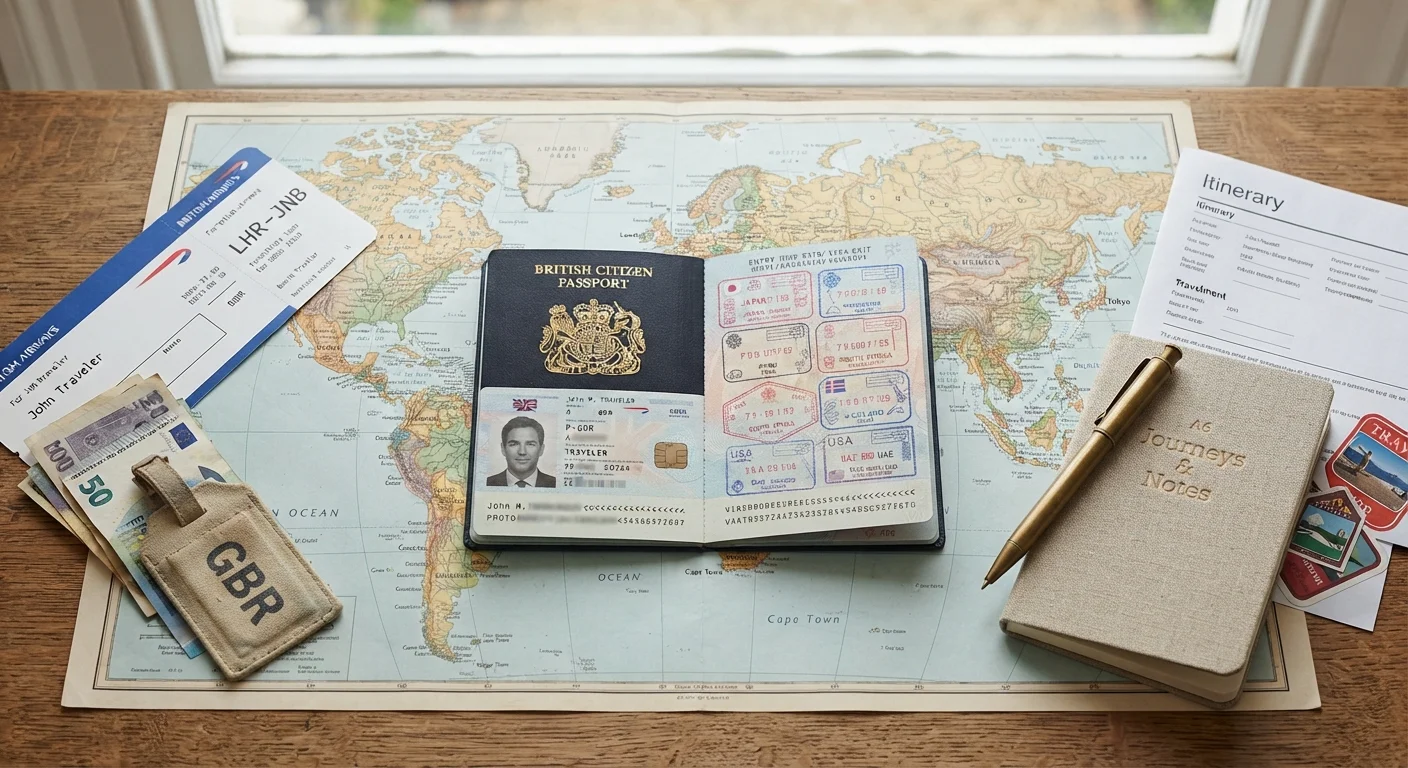
Photo: Online-Searches.net | Explore Insightful Blogs editorial
Why Visa Rules Are More Complex Than a Simple Yes or No
Most American travelers know that a passport gets you across borders — but the details of how you're allowed in vary enormously by destination. A visa isn't just a bureaucratic formality; it defines the purpose of your visit, how long you can stay, and sometimes where in a country you're permitted to go. Getting this wrong can mean being turned away at the gate before your flight even departs.
The good news: U.S. passport holders enjoy visa-free or visa-on-arrival access to a large portion of the world's countries. But "visa-free" doesn't always mean "no hoops to jump through." Some destinations require an Electronic Travel Authorization (eTA) purchased online before arrival. Others have reciprocal requirements that shift based on current diplomatic relations. See our overview of international versus domestic trip planning for how these entry requirements fit into the broader picture of planning abroad.
| Countries accessible visa-free for U.S. passport holders | Roughly 180+ destinations (Henley Passport Index — figures shift periodically as agreements change) |
| Most common visa types for tourists | Tourist visa, eTA, visa-on-arrival, visa waiver |
| Official U.S. government visa lookup resource | travel.state.gov (U.S. Department of State) |
| Recommended advance time to apply for a visa | At least 3–6 months before travel (Processing times vary widely by country and season) |
| Passport validity requirement at many destinations | 6 months beyond planned return date (Varies by country — always verify directly) |
| Key entry document for the Schengen Area | No visa required for U.S. citizens for stays up to 90 days in any 180-day period (European Union Schengen rules — ETIAS system expected to be introduced; verify current status) |
The Main Visa Categories American Travelers Encounter
Understanding what kind of permission you need is the first step. Here's a breakdown of the most common entry arrangements:
- Visa Waiver: No advance visa needed for short tourism or business stays. The Schengen Area in Europe is a well-known example for U.S. citizens.
- Electronic Travel Authorization (eTA): A mandatory pre-registration linked to your passport. Countries like Canada and Australia use this system. It's quick and low-cost, but skipping it can get your boarding pass denied.
- Visa-on-Arrival (VOA): You apply and pay at the border. Some countries in Southeast Asia and Africa offer this — but eligibility varies and lines can be long.
- Advance Visa: Applied for through the country's embassy or consulate before departure. Processing can take days to months depending on the country and visa type.
Knowing which category applies to your destination early in trip planning prevents scrambles. For a fuller breakdown of travel terminology, see our traveler's glossary.
Visa
An official authorization — stamped, stickered, or issued electronically — that permits a foreign national to enter, stay in, or transit through a country for a specified purpose and duration.
Visa-on-Arrival (VOA)
A visa issued to eligible travelers at the port of entry rather than in advance. Travelers typically still need to meet eligibility criteria and pay a fee upon arrival.
Electronic Travel Authorization (eTA)
A pre-travel, online permission system used by several countries (such as Canada and Australia) that is linked electronically to your passport — not a physical stamp or sticker.
Visa Waiver
An arrangement between countries allowing nationals to enter without a visa for short stays, usually for tourism or business. U.S. citizens benefit from visa waivers in many countries.
Port of Entry
The official border crossing — airport, seaport, or land crossing — where travelers present documents and are processed by immigration authorities.
Passport Validity Rule
Many countries require your passport to remain valid for six months beyond your planned departure date, regardless of your actual length of stay.
Where to Look Up Requirements and What to Double-Check
The single most reliable starting point for U.S. citizens is the U.S. Department of State website at travel.state.gov, which maintains country-specific entry information. From there, verify details directly with the destination country's official embassy or consulate in the United States — requirements can differ from general guidance in ways that matter.
Beyond the visa itself, don't overlook these frequently missed details:
- Passport validity: Many countries require your passport to be valid for six months past your return date. A passport expiring in two months might still be legally valid — but it could get you denied boarding.
- Blank passport pages: Some countries require one or two blank pages for stamps.
- Purpose of travel: A tourist visa doesn't cover remote work, and a business visa may have restrictions. Be honest on applications.
- Transit visas: Even a layover in certain countries can require a transit visa. This trips up travelers connecting through airports in countries with strict transit rules.
Always Verify with Official Sources
These are exactly the kinds of overlooked details that derail otherwise well-planned trips — worth a dedicated review before you book.
Before You Go: A Practical Pre-Trip Checklist
Once you've confirmed what's needed, treat your visa process as an early priority — not a last-minute task. Here's a practical sequence:
- Check your passport's expiration date against the destination's validity rules.
- Look up visa requirements at travel.state.gov at least three to six months before departure.
- Apply for any required visa or eTA as soon as you have your travel dates confirmed.
- Keep digital and physical copies of all entry documents separate from your original passport.
- If you're carrying prescription medications internationally, check those requirements separately — see our guide to traveling with medications for what to verify.
- Register your trip with the State Department's STEP program (Smart Traveler Enrollment Program) for free safety alerts and embassy assistance abroad.
For a broader pre-departure review, our pre-trip safety checklist for international travelers covers documents, emergency contacts, and health prep in one place.
This article provides general travel information for educational purposes only. Visa requirements, entry rules, and travel conditions change frequently. Always verify current requirements directly with the U.S. Department of State and the official embassy or consulate of your destination country before making any travel decisions.
The content provided on our blog site traverses numerous categories, offering readers valuable and practical information. Readers can use the editorial team’s research and data to gain more insights into their topics of interest. However, they are requested not to treat the articles as conclusive. The website team cannot be held responsible for differences in data or inaccuracies found across other platforms. Please also note that the site might also miss out on various schemes and offers available that the readers may find more beneficial than the ones we cover.