
Buying a Used Car vs. a New Car: The Ownership Trade-Offs Nobody Mentions

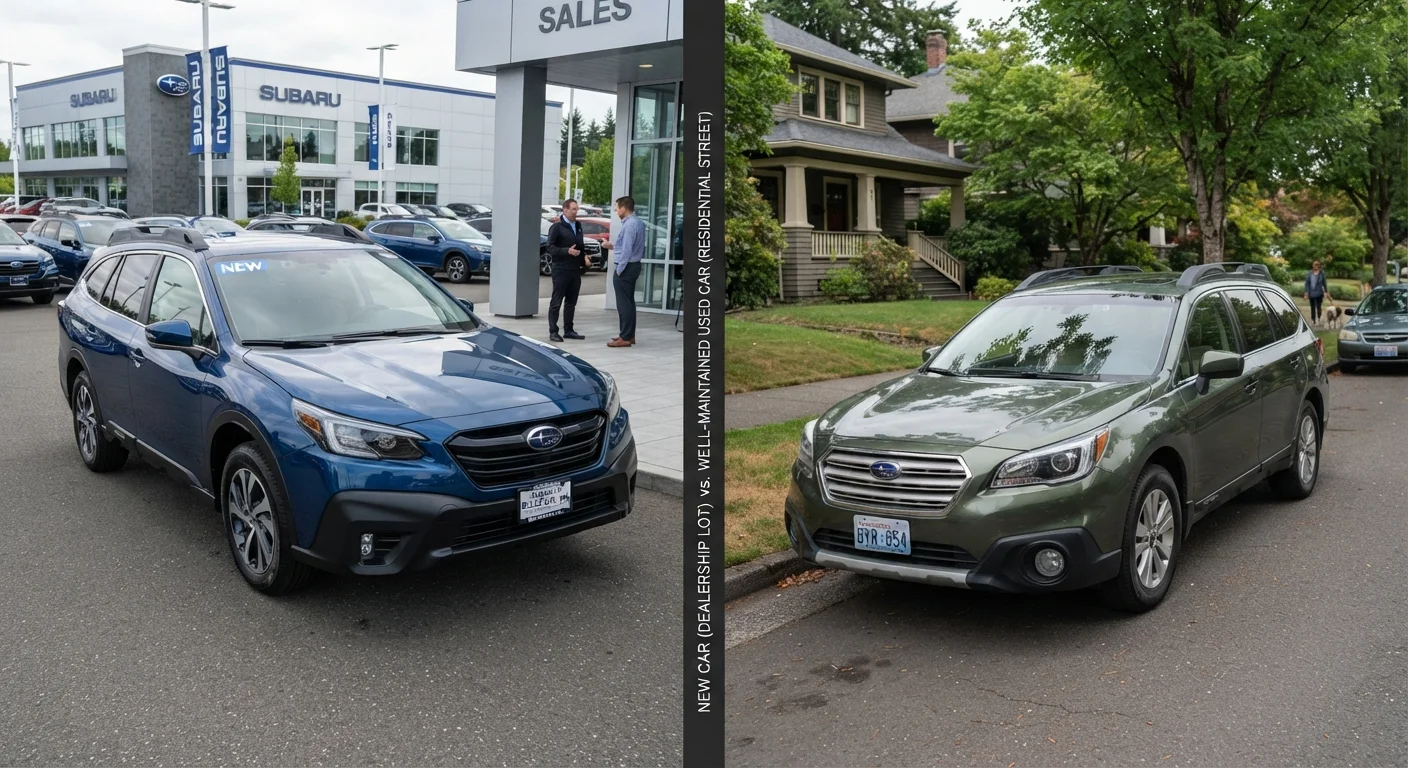
Photo: Online-Searches.net | Explore Insightful Blogs editorial
Key Takeaways
- New cars lose a significant portion of value in the first year — often 15–20% — a cost that used-car buyers sidestep entirely.
- Financing rates on new vehicles are typically lower, but the higher loan amount can erase that advantage quickly.
- Used cars carry more warranty uncertainty; certified pre-owned programs narrow that gap but add cost.
- Insurance premiums, registration fees, and maintenance expectations all differ meaningfully between new and used vehicles.
- Neither choice is universally superior — your budget, driving habits, and risk tolerance should drive the decision.
The Depreciation Curve Nobody Draws for You
Depreciation is the largest single cost most car owners never see as a line item — and it hits hardest in the first 12 to 24 months of a new vehicle's life. A new car can shed roughly 15–20% of its value in year one alone, with total depreciation commonly reaching 40–50% by the end of year three, depending on the make, model, and market conditions.
When you buy used, the original owner absorbs that initial drop. A vehicle that sold new for $35,000 and depreciated 40% over three years is now a $21,000 car — with thousands of dollars of ownership cost already paid by someone else. That spread is the core financial argument for buying used. For a thorough breakdown of how this process works in practice, see how depreciation actually works and how it affects your trade-in value and financing decisions.
~20%
Average new car value lost in year one
Industry data consistently shows new vehicles depreciate most sharply in the first 12 months after purchase.
40–50%
Typical depreciation by end of year three
After three years of ownership, many vehicles have lost nearly half their original purchase price in market value.
Financing Rates, Loan Amounts, and the Hidden Math
New cars frequently come with promotional financing — sometimes 0% APR through manufacturer programs — that used vehicles simply cannot match. Lenders view new cars as lower risk because the collateral value is known and the vehicle has no usage history. Used-car loans, by contrast, typically carry interest rates that are noticeably higher, sometimes by two to four percentage points.
That sounds like a clear win for new, but the loan amount tells the other half of the story. Even at a higher rate, borrowing $18,000 on a used vehicle often results in a lower total interest paid than financing $34,000 at a subsidized rate. Running the actual amortization numbers matters more than the headline APR. For a broader look at how your payment method shapes the ongoing ownership experience, financing vs. paying cash is worth reading before you sign anything.
Warranty Coverage, Certified Pre-Owned, and the Gap in Between
New cars arrive with a manufacturer's bumper-to-bumper warranty — commonly three years or 36,000 miles — plus a powertrain warranty that often extends to five years or 60,000 miles. Used cars sold privately offer no such coverage unless remaining factory warranty time transfers with the vehicle (which it may, depending on the manufacturer's terms).
Certified pre-owned (CPO) programs occupy the middle ground. Dealerships inspect vehicles against a manufacturer checklist and attach extended warranty coverage, typically for a price premium. CPO vehicles cost more than standard used options but less than new, offering a measured trade-off between price and protection. Whatever path you choose, understanding what happens after the purchase — title transfers, registration, and insurance binders — is covered in detail in everything that happens between buying a car and legally driving it.
| New Car | Certified Pre-Owned | Used Car (Private/Non-CPO) | |
|---|---|---|---|
| Depreciation exposure | High — absorbs year-one drop | Moderate — partially depreciated | Low — steepest drop already occurred |
| Financing rates | Typically lowest (promotional APR possible) | Moderate | Typically highest |
| Warranty coverage | Full factory warranty | Extended CPO warranty | Little to none (unless remaining factory) |
| Purchase price | Highest | Middle range | Lowest entry point |
| Insurance premiums | Generally higher | Moderate | Generally lower |
| Annual registration fees | Higher (value/year-based) | Moderate | Lower |
| Maintenance predictability | High — under warranty | Moderate — CPO coverage helps | Lower — repairs fully out-of-pocket |
Insurance, Registration Fees, and Ongoing Costs
Insurance premiums are generally higher for new vehicles because the replacement cost — what an insurer would pay in a total-loss claim — is higher. Comprehensive and collision coverage on a $38,000 new car costs more than on a $17,000 used equivalent. Registration fees in most states are also tied to vehicle value or model year, so newer cars cost more to register annually.
Maintenance is the variable that often surprises used-car owners. A vehicle outside its factory warranty period means repair bills land on you in full — no goodwill adjustments, no dealer coverage. New cars may go several years without significant out-of-pocket maintenance beyond routine services. Used cars require a realistic reserve fund for unexpected repairs. The real cost of owning a car in America lays out all of these categories — fuel, insurance, maintenance, and fees — so you can model the total picture, not just the monthly payment.
If you're navigating ownership for the first time, owning your first car walks through insurance requirements, registration, and the ongoing responsibilities that come with the territory regardless of which route you take.
The content provided on our blog site traverses numerous categories, offering readers valuable and practical information. Readers can use the editorial team’s research and data to gain more insights into their topics of interest. However, they are requested not to treat the articles as conclusive. The website team cannot be held responsible for differences in data or inaccuracies found across other platforms. Please also note that the site might also miss out on various schemes and offers available that the readers may find more beneficial than the ones we cover.