
A Practical Glossary of Meal Planning Terms

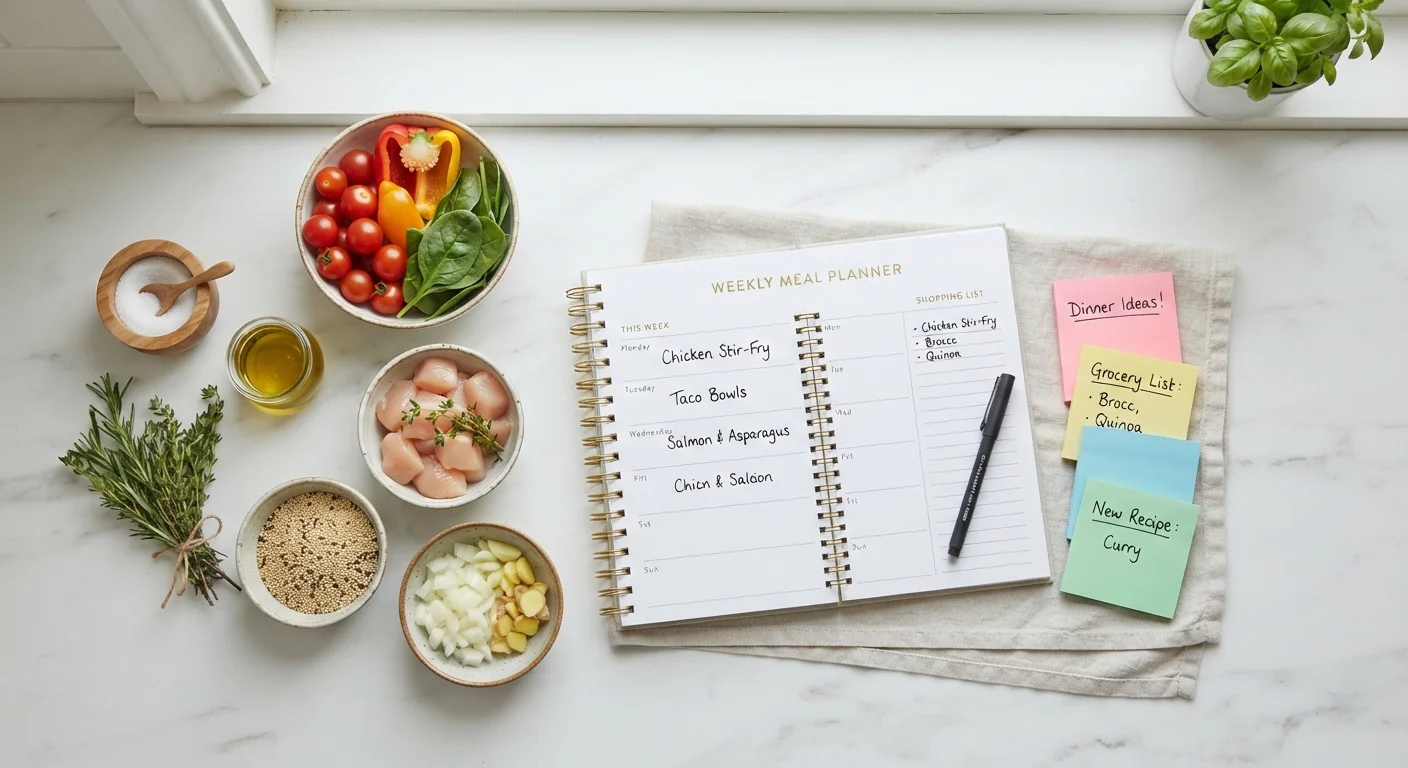
Photo: Online-Searches.net | Explore Insightful Blogs editorial
Why Terminology Matters in Meal Planning
Meal planning content is full of shorthand — batch cooking, mise en place, macro cycling — that often goes unexplained. When the vocabulary is unclear, the strategies attached to it feel out of reach. This glossary defines the terms you're most likely to encounter so you can focus on applying them rather than decoding them.
Whether you're brand new to the practice or refining an existing routine, having shared language speeds up your learning. For a broader orientation to the practice itself, see what meal planning actually means.
Meal Planning
The practice of deciding in advance what you'll eat over a set period — usually a week. It typically involves choosing recipes, writing a grocery list, and sometimes preparing ingredients or full meals ahead of time.
Batch Cooking
Preparing large quantities of one or more foods in a single cooking session for use across multiple meals. For example, roasting a full sheet pan of vegetables on Sunday to use in lunches and dinners throughout the week.
Meal Prep
A broader term that covers any advance preparation — chopping vegetables, marinating proteins, portioning snacks, or fully assembling meals — done before the moment you need to eat. It often overlaps with batch cooking but isn't limited to large-batch recipes.
Mise en Place
A French culinary phrase meaning 'everything in its place.' In home cooking, it refers to measuring, chopping, and organizing all ingredients before you begin cooking, which reduces errors and speeds up the actual cooking process.
Template Meal
A flexible meal framework built around a consistent structure — such as a grain, a protein, a vegetable, and a sauce — where the specific ingredients rotate. Template meals reduce decision fatigue while keeping meals varied.
Macronutrients (Macros)
The three main categories of nutrients that provide energy: carbohydrates, protein, and fat. Tracking or balancing macros is a common approach in structured meal planning, particularly for fitness-related goals.
Macro Cycling
An eating pattern in which the proportion of macronutrients varies intentionally from day to day or week to week — often aligning higher carbohydrate intake with more active days. It requires more planning precision than a fixed macro approach.
Prep Day
A designated block of time — often a weekend morning — set aside specifically for batch cooking and meal prep tasks. Consolidating prep into one session reduces the daily effort required to get food on the table.
Pantry Staples
Shelf-stable or long-lasting ingredients kept on hand to build meals without a special shopping trip. Common examples include canned beans, dried pasta, olive oil, rice, and basic spices.
Freezer Meal
A fully or partially prepared meal that is stored frozen and reheated when needed. Freezer meals extend the value of a single prep session and provide a practical backup when time or energy is limited.
Portion Control
Intentionally sizing servings to align with a personal or dietary goal. In meal planning, this often means pre-portioning food into containers during prep so that grab-and-go meals are already correctly sized.
Leftover Repurposing
Using leftovers as ingredients for a different dish rather than eating the same meal again. For example, roasted chicken from dinner becomes the protein in a next-day grain bowl or wrap.
Key Concepts at a Glance
The quick-reference card below captures the practical dimensions of meal planning — how much time different approaches typically take, what they require, and what they deliver. Use it alongside the definitions above to match terms to your real-life situation.
| Typical weekly planning time | 15–30 minutes |
| Common batch cook session length | 1–3 hours |
| Freezer meal shelf life (general guideline) | Up to 3 months (USDA Food Safety and Inspection Service) |
| Number of macronutrients | 3 (carbohydrates, protein, fat) |
| Pantry staples needed to start | 10–15 versatile items |
| Related hub for foundational nutrition principles | Healthy Eating Basics |
Once you're comfortable with the vocabulary, meal planning from scratch walks through how to put these concepts into a working weekly system. For a deeper look at one of the most commonly discussed approaches, batch cooking vs. daily cooking breaks down the trade-offs clearly.
If nutrition-specific vocabulary — things like macronutrients, fiber, or glycemic index — is also tripping you up, the working glossary of nutrition terms is a natural companion to this one.
These Terms Aren't Rules
The content provided on our blog site traverses numerous categories, offering readers valuable and practical information. Readers can use the editorial team’s research and data to gain more insights into their topics of interest. However, they are requested not to treat the articles as conclusive. The website team cannot be held responsible for differences in data or inaccuracies found across other platforms. Please also note that the site might also miss out on various schemes and offers available that the readers may find more beneficial than the ones we cover.