
Hydration and Nutrition: How What You Drink Affects What You Eat

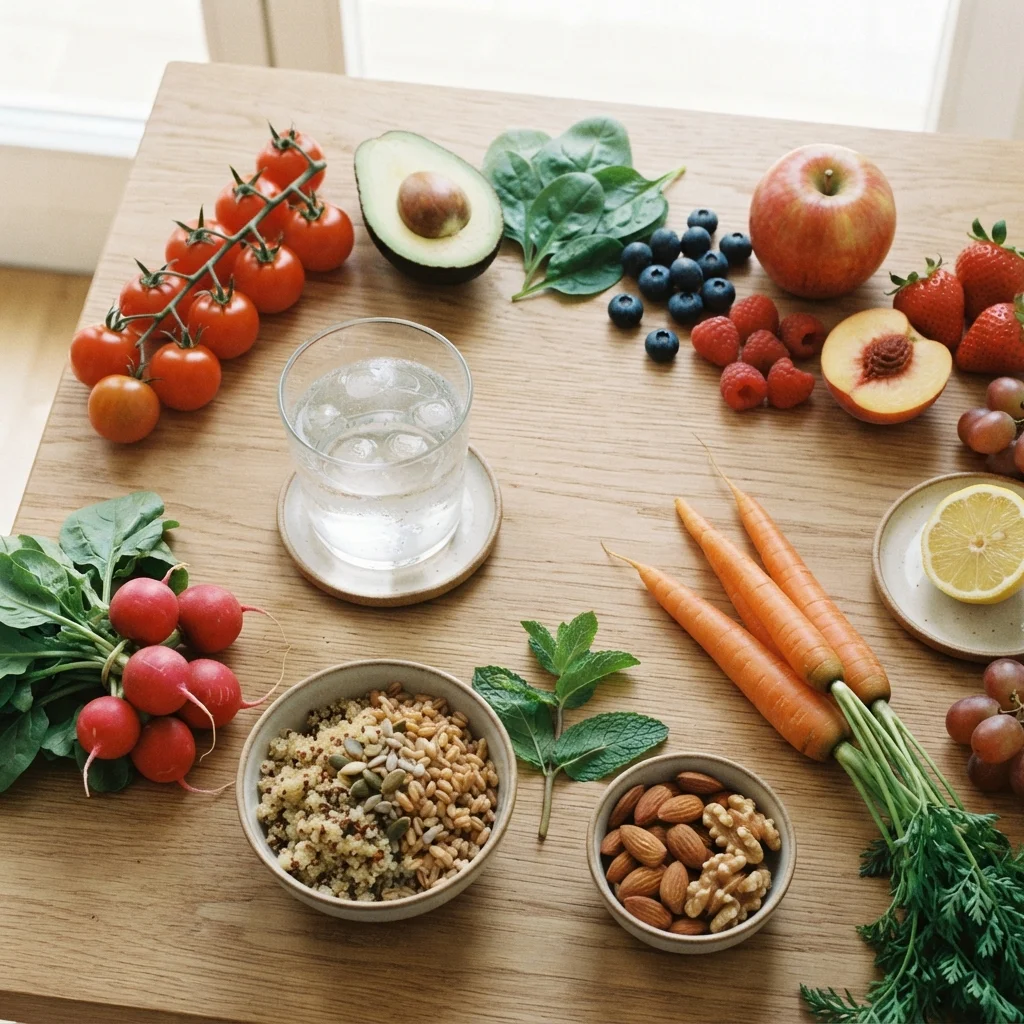
Photo: Online-Searches.net | Explore Insightful Blogs editorial
Key Takeaways
- Mild dehydration can trigger hunger signals that are actually thirst, leading to unnecessary calorie intake.
- Water is required for digesting fiber, absorbing water-soluble vitamins, and transporting nutrients throughout the body.
- Sugary drinks can undermine nutritional goals by delivering excess calories with minimal satiety.
- Drinking water before or during meals may modestly reduce calorie intake by promoting a sense of fullness.
- Electrolyte balance — not just water volume — matters for proper nutrient absorption and cellular function.
- Most adults can meet hydration needs through a mix of plain water, food, and unsweetened beverages.
Why Water Is Central to Digestion and Nutrient Absorption
Water is not a passive bystander in your digestive system — it is an active participant. Saliva, stomach acid, bile, and pancreatic enzymes all depend on adequate fluid to break down food effectively. Without enough water, this process slows, and the nutrients locked inside food become harder for the intestinal lining to extract and transport into the bloodstream.
This matters most for two nutrient categories. First, water-soluble vitamins — including vitamin C and the B-vitamin family — dissolve in water and travel through fluid to reach cells. Second, dietary fiber depends almost entirely on water to function properly. Fiber absorbs water in the gut, forming bulk that supports digestion and feeds beneficial gut bacteria. Without sufficient fluid, fiber can actually slow digestion and cause discomfort rather than improve it. For a fuller picture of what fiber does in the body, see our overview of fiber's role in everyday health.
Fat-soluble vitamins — A, D, E, and K — require dietary fat rather than water to absorb, but water still facilitates their transport once they've entered the lymphatic system. Mineral absorption, particularly of electrolytes like potassium, magnesium, and sodium, also hinges on fluid balance. For a complete reference to essential vitamins and minerals, visit our guide to micronutrients your body can't do without.
The Hunger-Thirst Confusion: What Research Shows
One of the most practical intersections of hydration and nutrition is the body's tendency to conflate hunger and thirst signals. The hypothalamus regulates both drives, and under mild dehydration — often as little as one to two percent below optimal fluid levels — appetite signals can intensify even when caloric needs are already met.
This doesn't mean thirst and hunger are identical, or that drinking water will eliminate appetite. It means that habitual low-level dehydration can add a layer of eating-related noise that makes it harder to read genuine hunger cues accurately. For people working to develop a more intuitive relationship with food, keeping fluid intake consistent throughout the day is a useful first step — not a weight-loss trick, but a way to reduce static in the body's signaling system.
~75%
U.S. adults estimated to be chronically under-hydrated
Estimates from nutrition researchers suggest a significant majority of American adults consume less fluid than general health guidance recommends on a typical day.
1–2%
Dehydration level that can impair cognition and appetite signals
Research published in nutrition and physiology journals indicates that dehydration of just one to two percent below optimal can affect mood, focus, and hunger regulation.
20%
Daily fluid intake that typically comes from food
According to general nutrition guidance, roughly one-fifth of daily water intake comes from food — particularly fruits, vegetables, and soups — not beverages alone.
Reaching for a glass of water and checking in with how you feel 10–15 minutes later before eating is a simple, evidence-consistent habit. It won't replace the broader work of understanding your dietary patterns — but it fits naturally within any thoughtful approach to eating.
What You Drink Matters as Much as How Much
Volume of fluid is only part of the equation. The type of fluid you consume shapes your nutritional picture significantly. Sugary beverages — sodas, sweetened teas, flavored juices — deliver calories with little satiety and, over time, can displace more nutritious foods or contribute to excess caloric intake without the eater registering it as a meaningful meal.
Whole fruit juice contains naturally occurring sugars alongside vitamins and some fiber, but lacks the physical bulk and fiber structure of whole fruit, which affects how quickly the sugar enters the bloodstream. Milk and fortified milk alternatives contribute protein, calcium, and vitamins. Caffeinated beverages like coffee and tea are not dehydrating in moderate amounts — current evidence suggests they contribute meaningfully to daily fluid intake — but they shouldn't crowd out plain water entirely.
Make Water the Default at Every Meal
Alcohol presents a different consideration: it acts as a diuretic, increasing fluid loss and impairing the absorption of several nutrients including B vitamins, zinc, and folate. This doesn't require abstinence, but it's a relevant factor when considering overall nutrition quality. For readers weighing broader dietary decisions, our article on finding a dietary approach that fits your actual life addresses how to evaluate these trade-offs without rigid rules.
Building Better Habits Around Fluid and Food
Most adults in the U.S. fall short of recommended fluid intake, often without realizing it. Thirst is a lagging indicator — by the time you feel it, mild dehydration may already be affecting energy and digestion. Building consistent fluid habits into meals and daily routines sidesteps the problem before it starts.
A few evidence-consistent habits are worth adopting: start the day with water before coffee; pair high-fiber meals with extra fluid; treat water as a default beverage at meals rather than an afterthought. Food itself contributes meaningfully to hydration — fruits and vegetables are often 80–95% water — so a diet rich in whole produce addresses both nutrition and fluid needs simultaneously.
Understanding how beverages interact with food quality also sharpens your ability to read nutrition information accurately. Our guide to reading a nutrition label without getting lost can help you interpret what's actually in what you drink. And if you find yourself caught in all-or-nothing thinking about beverages or diet rules, our piece on where nutrition thinking often goes wrong offers useful perspective.
This article is for general informational purposes only and does not constitute medical or dietary advice. For guidance tailored to your individual health needs, consult a qualified healthcare professional or registered dietitian.
Frequently Asked Questions
The content provided on our blog site traverses numerous categories, offering readers valuable and practical information. Readers can use the editorial team’s research and data to gain more insights into their topics of interest. However, they are requested not to treat the articles as conclusive. The website team cannot be held responsible for differences in data or inaccuracies found across other platforms. Please also note that the site might also miss out on various schemes and offers available that the readers may find more beneficial than the ones we cover.