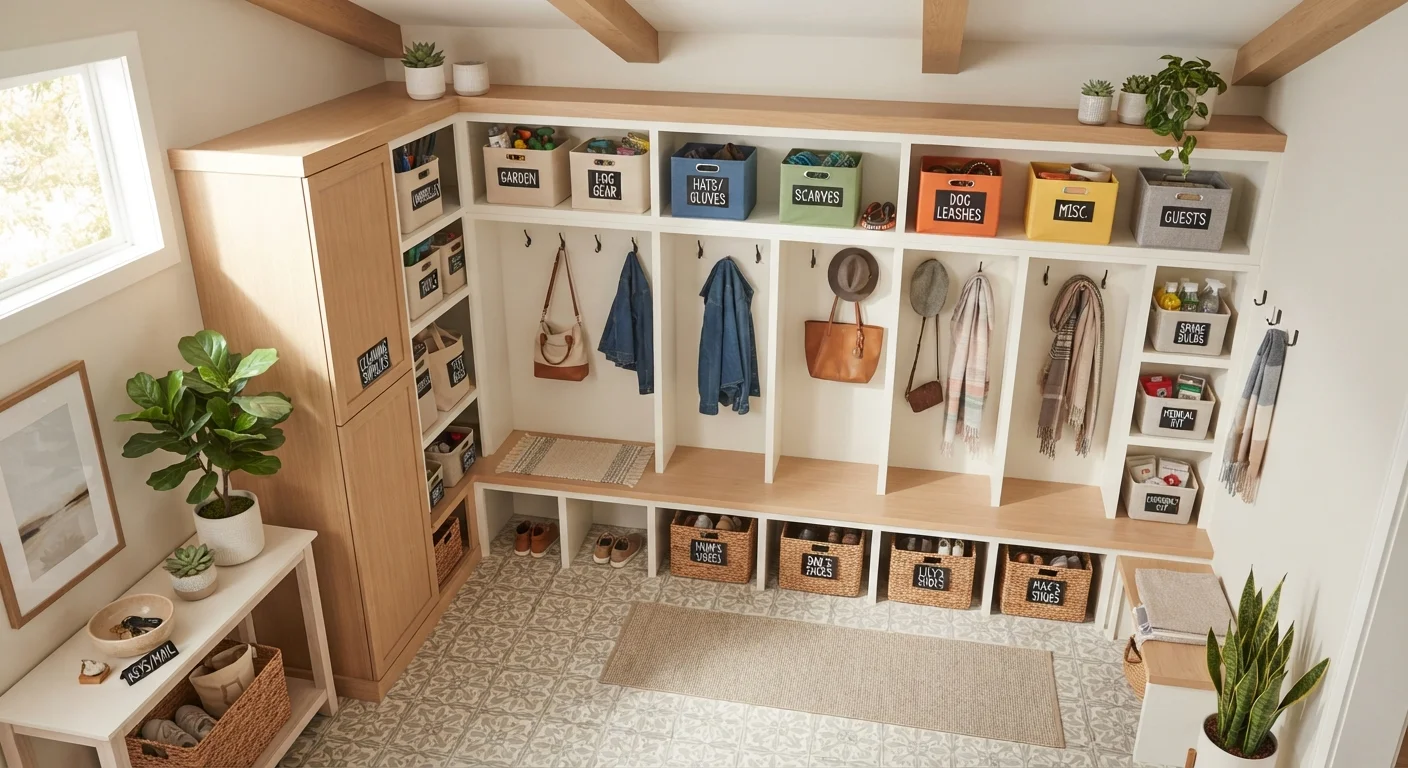
Kitchen Clutter: Why Countertops Fill Back Up (And What to Do About It)

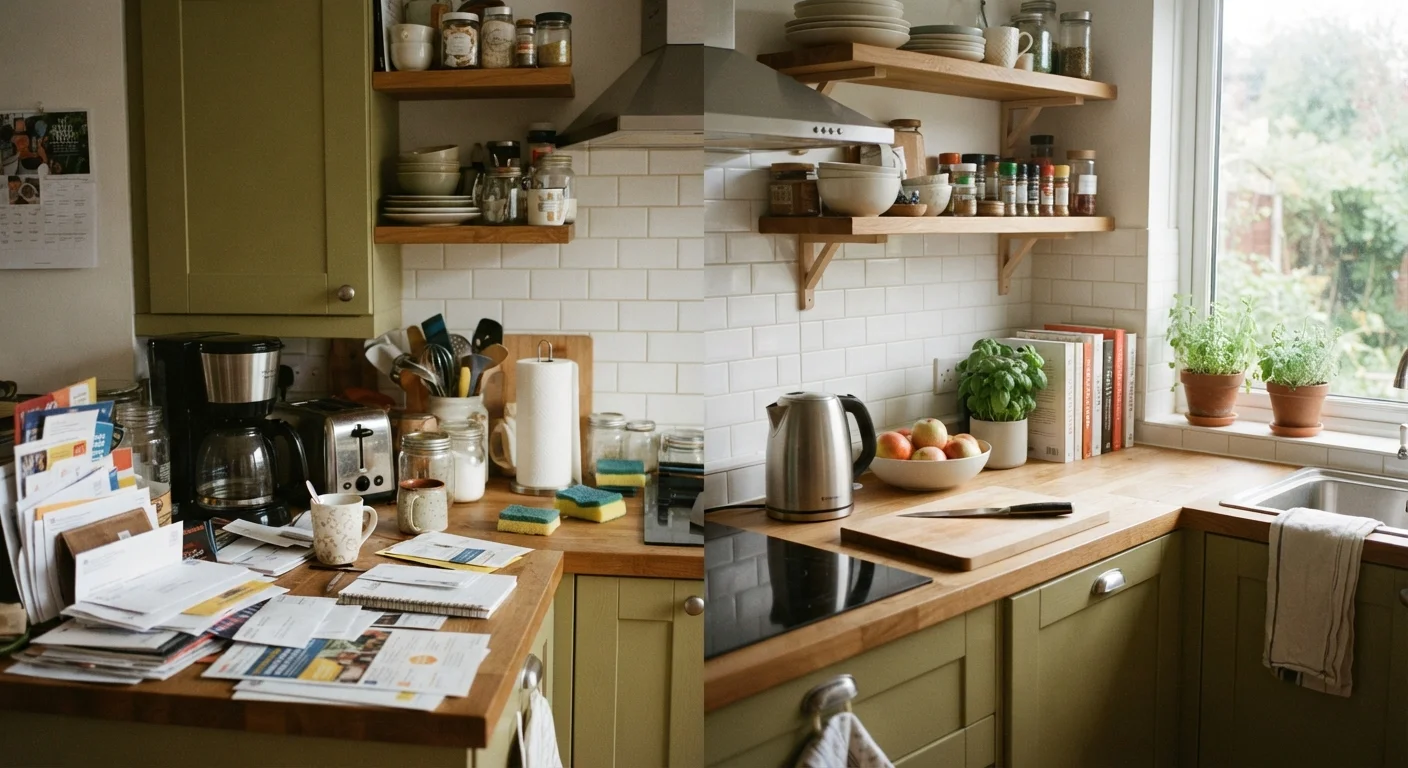
Photo: Online-Searches.net | Explore Insightful Blogs editorial
Key Takeaways
- Clutter returns to countertops mainly because of poorly designed systems, not lack of willpower.
- Every item on your counter needs a dedicated home somewhere else in the kitchen.
- Addressing layout and habits together is the only reliable way to keep surfaces clear long-term.
- Mail, appliances, and 'I'll deal with it later' items are the most common repeat offenders.
- Small daily resets take less than five minutes and prevent large weekend decluttering sessions.
Why Kitchen Counters Are Clutter Magnets
Kitchen counters fill back up for two interconnected reasons: they're convenient, and they're visible. Convenience means people default to placing things there rather than putting them away properly. Visibility means items left on the counter tend to attract more items — psychologists sometimes call this the "broken window" effect, where existing disorder signals that disorder is acceptable.
The result is a surface that looks organized on Sunday and chaotic by Wednesday, no matter how many times you've cleared it. If this cycle feels familiar, the problem isn't your motivation — it's an underlying system gap. The goal of this article is to name those gaps clearly so you can close them for good.
It's also worth understanding that clutter isn't only a kitchen problem — it's a whole-home dynamic. Check out home organization myths that keep your house cluttered to separate what actually works from what just sounds logical.
Keeping appliances on the counter 'just in case' they're needed soon.
Using the kitchen counter as the household's default drop zone for mail and paperwork.
Assigning storage without accounting for how the kitchen is actually used.
Skipping a daily reset routine and relying on weekend cleanups instead.
Owning more kitchen tools and gadgets than the space realistically supports.
Building Systems That Actually Hold
Once you've identified which mistakes are driving the clutter in your kitchen, the fix is less about willpower and more about design. A well-designed kitchen makes the right behavior — putting things away — easier than the wrong one.
Clear Counters Start With Clear Rules
Start by reducing what belongs in the kitchen at all. Then assign a physical home to every remaining item. Finally, remove the friction from returning things to those homes — that might mean rearranging a cabinet, adding a hook, or repositioning a trash can. Each small reduction in friction compounds over time.
Don't Organize Clutter — Remove It First
For a more comprehensive view of maintaining order beyond the kitchen, the long-term case for keeping a tidy home explores the practical and personal benefits of sustained organization. And if you're approaching this as part of a larger household project, our complete home organization resource covers every stage from first declutter to long-term maintenance.
The kitchen counter is one of the most-used surfaces in your home. Getting it right — and keeping it that way — pays dividends every single day.
The content provided on our blog site traverses numerous categories, offering readers valuable and practical information. Readers can use the editorial team’s research and data to gain more insights into their topics of interest. However, they are requested not to treat the articles as conclusive. The website team cannot be held responsible for differences in data or inaccuracies found across other platforms. Please also note that the site might also miss out on various schemes and offers available that the readers may find more beneficial than the ones we cover.