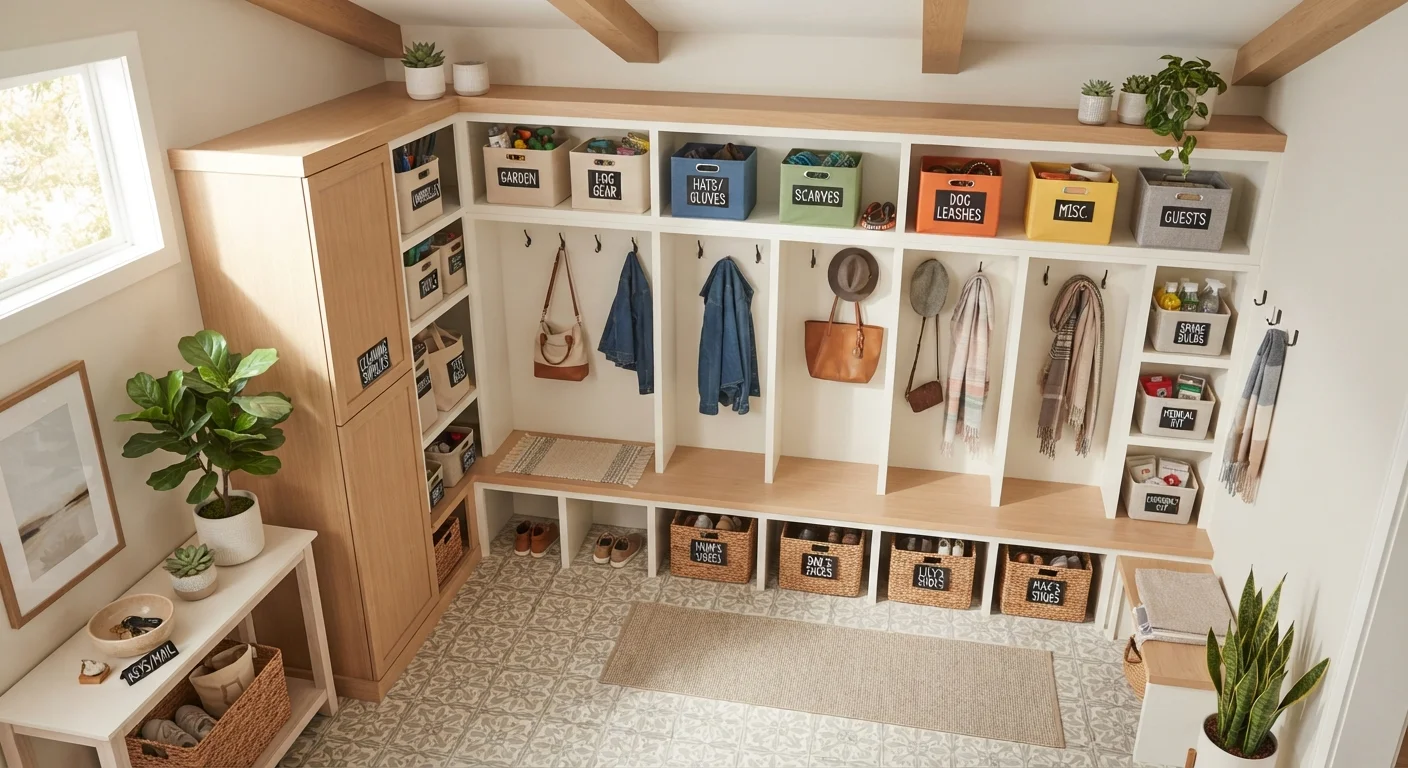
The Long-Term Case for Keeping a Tidy Home

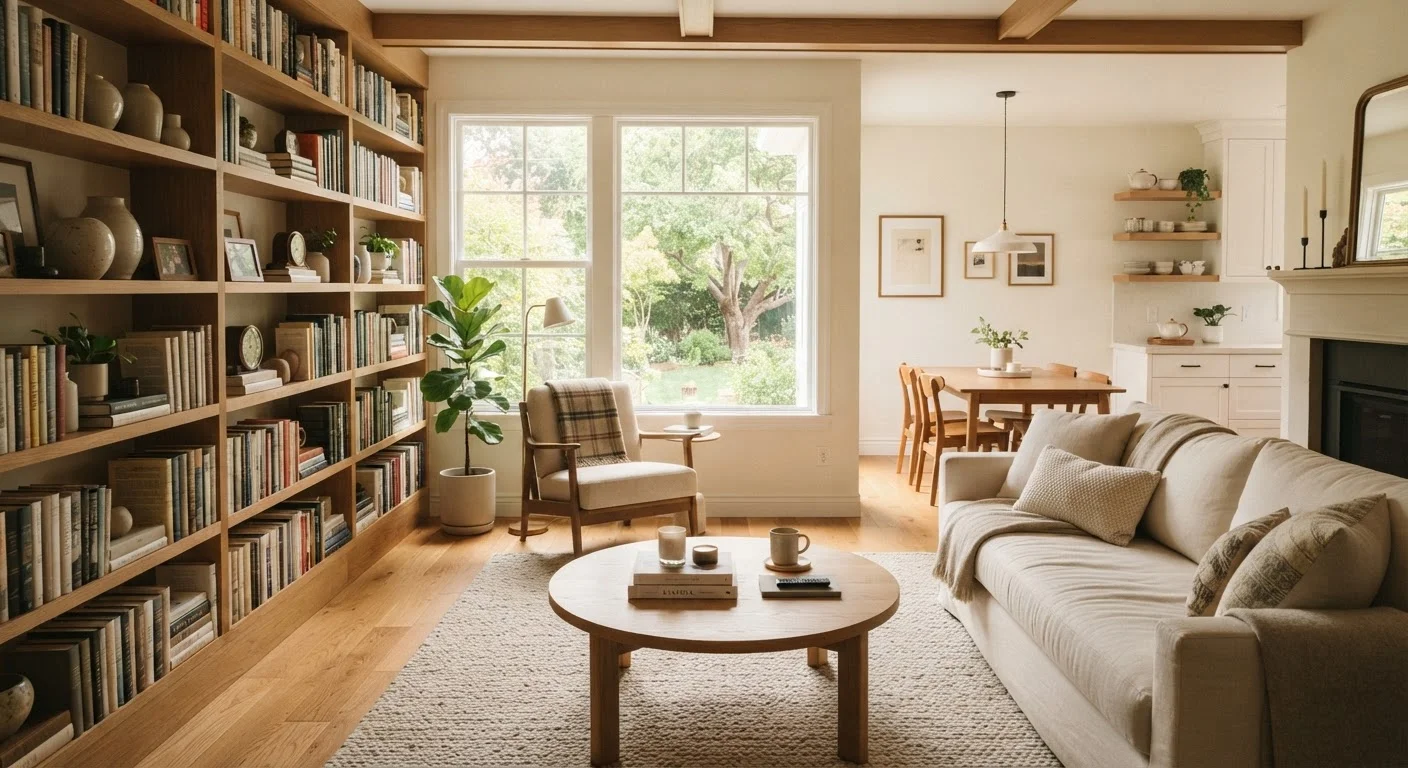
Photo: Online-Searches.net | Explore Insightful Blogs editorial
Key Takeaways
- A consistently organized home reduces daily decision fatigue and saves measurable time each week.
- Maintaining order requires ongoing effort and realistic systems, not just a one-time deep clean.
- The benefits of tidiness compound over time, but so do the costs of unsustainable approaches.
- Household buy-in and simple routines matter more than perfect storage solutions.
- A tidy home isn't about perfection — functional order is the realistic and worthwhile goal.
Reduces time spent searching for misplaced items
When items have consistent homes, the daily friction of hunting for keys, documents, or tools disappears. Over a week, this can recover a surprising amount of productive or restful time.
Lowers ambient stress and mental load
Visual clutter competes for attention and can contribute to a persistent low-level sense of unfinished business. A calmer environment tends to support clearer thinking, though individual responses vary.
Makes routine cleaning faster and easier
When surfaces are clear and items are stored, regular cleaning — vacuuming, wiping down counters, mopping — takes significantly less time because decluttering isn't a prerequisite every time.
Prevents costly lost or duplicate purchases
Knowing where things are means fewer accidental repurchases of items that are simply buried. For households managing tools, pantry goods, or medications, this adds up meaningfully over time.
Supports faster response to home maintenance issues
In an organized space, early signs of problems — water stains, pest activity, wear — are more visible and easier to address before they escalate.
Requires consistent daily time and energy
Tidiness isn't a one-and-done achievement. It demands small, regular investments of effort — which can feel burdensome during high-stress periods or busy seasons of life.
Can create household tension if expectations differ
When one person values order more than others in the home, tidiness standards can become a source of recurring conflict rather than shared comfort. Alignment requires ongoing conversation, not just rules.
Perfectionism can make the goal feel unachievable
Chasing an unrealistically high standard of tidiness often leads to burnout, all-or-nothing thinking, or avoidance. The pursuit of perfect order can paradoxically make a home feel less livable.
Upfront organizing effort is significant
Before sustainable systems can run on autopilot, there's a real investment of time and sometimes money to set them up — sorting, purging, and creating logical storage structures takes effort.
Systems must be revised as life changes
A system built for two adults may stop working when a baby arrives, a teen's schedule shifts, or a home office appears. Tidiness requires periodic reassessment, not a set-it-and-forget-it mentality.
What 'Consistently Tidy' Actually Means
A consistently tidy home doesn't mean spotless countertops at every hour or perfectly color-coded pantry shelves. It means items reliably return to a designated place, clutter doesn't accumulate unchecked, and the space functions without constant emergency cleanups. That distinction matters, because the goal most households can realistically sustain is functional order — not showroom perfection.
The difference between a one-time deep clean and long-term tidiness is systems. Without repeatable habits and household agreement on where things live, even an immaculate starting point degrades quickly. For a full framework on building those systems room by room, see our room-by-room home organization guide.
The Genuine Benefits of Keeping Order
The case for a tidy home is stronger than most people give it credit for — particularly when viewed over months and years rather than a single Saturday of cleaning.
Reduces time spent searching for misplaced items
When items have consistent homes, the daily friction of hunting for keys, documents, or tools disappears. Over a week, this can recover a surprising amount of productive or restful time.
Lowers ambient stress and mental load
Visual clutter competes for attention and can contribute to a persistent low-level sense of unfinished business. A calmer environment tends to support clearer thinking, though individual responses vary.
Makes routine cleaning faster and easier
When surfaces are clear and items are stored, regular cleaning — vacuuming, wiping down counters, mopping — takes significantly less time because decluttering isn't a prerequisite every time.
Prevents costly lost or duplicate purchases
Knowing where things are means fewer accidental repurchases of items that are simply buried. For households managing tools, pantry goods, or medications, this adds up meaningfully over time.
Supports faster response to home maintenance issues
In an organized space, early signs of problems — water stains, pest activity, wear — are more visible and easier to address before they escalate.
~1 hr
Average weekly time lost searching for items
Household surveys have consistently suggested that American adults spend roughly an hour each week looking for misplaced items, though estimates vary by study and household size.
40%
Of housework eliminated by reducing clutter
Home organization researchers and professional organizers frequently cite research suggesting that clutter is responsible for a substantial portion of household cleaning time — commonly cited at around 40%.
Beyond the daily wins, long-term tidiness also has practical financial implications. When items are stored consistently, they're less likely to be lost, damaged, or unnecessarily repurchased. Maintenance issues — a slow leak under the sink, a broken cabinet hinge — are also more likely to be spotted early in an organized space, potentially avoiding costly repairs later.
The Real Costs and Trade-Offs
Honesty matters here: maintaining order has genuine costs, and glossing over them sets households up for frustration.
Requires consistent daily time and energy
Tidiness isn't a one-and-done achievement. It demands small, regular investments of effort — which can feel burdensome during high-stress periods or busy seasons of life.
Can create household tension if expectations differ
When one person values order more than others in the home, tidiness standards can become a source of recurring conflict rather than shared comfort. Alignment requires ongoing conversation, not just rules.
Perfectionism can make the goal feel unachievable
Chasing an unrealistically high standard of tidiness often leads to burnout, all-or-nothing thinking, or avoidance. The pursuit of perfect order can paradoxically make a home feel less livable.
Upfront organizing effort is significant
Before sustainable systems can run on autopilot, there's a real investment of time and sometimes money to set them up — sorting, purging, and creating logical storage structures takes effort.
Systems must be revised as life changes
A system built for two adults may stop working when a baby arrives, a teen's schedule shifts, or a home office appears. Tidiness requires periodic reassessment, not a set-it-and-forget-it mentality.
It's also worth addressing the common misconception that better storage containers solve the core problem. As explored in our piece on home organization myths, more bins rarely substitute for fewer items and clearer habits.
Making It Sustainable Over the Long Haul
The households that maintain order over years share a few common traits: they use simple systems, they involve everyone who lives there, and they reset expectations regularly rather than chasing an impossible standard.
Resets Matter More Than Rules
Habits matter far more than any single organizing session. A ten-minute nightly reset — dishes away, surfaces cleared, tomorrow's items staged — does more over a year than a four-hour weekend blitz that happens once a quarter. Getting partners, kids, or roommates aligned on shared systems is equally critical; our guide on keeping the whole household on the same page covers practical approaches for that conversation.
If the scope feels genuinely overwhelming, it may be worth understanding what professional organizers actually do — sometimes a single focused session with an expert is the jumpstart a household needs.
For a complete roadmap covering every stage — from first declutter to long-term upkeep — visit our end-to-end home organization resource.
The content provided on our blog site traverses numerous categories, offering readers valuable and practical information. Readers can use the editorial team’s research and data to gain more insights into their topics of interest. However, they are requested not to treat the articles as conclusive. The website team cannot be held responsible for differences in data or inaccuracies found across other platforms. Please also note that the site might also miss out on various schemes and offers available that the readers may find more beneficial than the ones we cover.