The Room-by-Room Home Organization Framework Explained

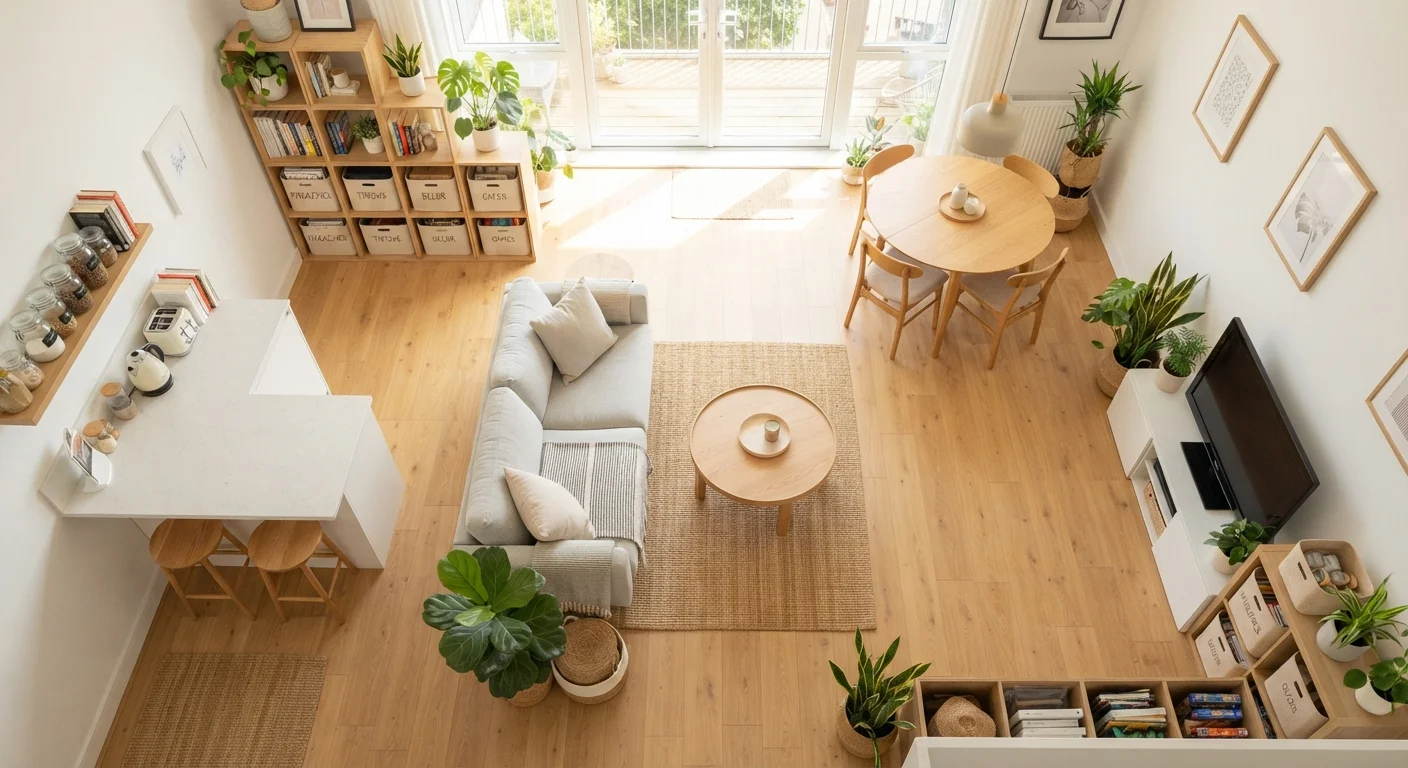
Photo: Online-Searches.net | Explore Insightful Blogs editorial
Key Takeaways
- The framework divides your home into discrete workspaces so you can complete one area before starting another.
- Each room gets a purpose-driven system tailored to how that specific space is actually used.
- Starting with high-traffic rooms delivers visible results quickly, which sustains motivation.
- The method works in homes of any size, from studios to large family houses.
- Maintaining results is easier when every item has a clearly defined home within a specific room.
What the Framework Actually Involves
The room-by-room framework breaks a home-wide project into a series of contained, completable tasks. Rather than trying to reorganize your entire house in one push — which typically leads to half-finished rooms and piles relocated from one area to another — you give each room its own defined process.
That process has three repeatable phases:
- Assessment: Walk the room and understand how it's currently used, what belongs there, and what has migrated in from elsewhere.
- Declutter: Remove items that don't serve the room's function. This means deciding what to keep, donate, relocate, or discard before a single storage product is purchased.
- System setup: Create storage and organizational systems that match the room's actual daily use. Zones, containers, and labels are the fundamental tools at this stage.
This sequence matters. Skipping assessment leads to storage solutions that don't fit real behavior. Skipping declutter means organizing clutter rather than eliminating it.
Finish Before You Move On
Why This Approach Works for Busy Households
One of the most common reasons home organization projects stall is scope creep — pulling everything out at once and becoming paralyzed by the volume of decisions. The room-by-room method limits scope deliberately. You can complete a meaningful session in an afternoon, step back, and see a finished result.
That visible progress is psychologically significant. A fully organized kitchen or bathroom provides a daily reminder that the system works, which makes tackling the next room easier. It also means the rest of your home remains functional while you work — you're never living among total disruption.
For households with multiple people, this approach also allows for cleaner role assignments. One person can own the pantry project while another takes the home office, without those efforts colliding. Getting the whole household aligned on room ownership is far easier when responsibilities are spatially defined.
1 in 4
American households report garage too cluttered to park a car
A survey by the U.S. Department of Energy found that roughly one in four two-car garages can't fit any vehicles due to accumulated storage.
~40%
Of housework time spent looking for misplaced items
Research cited by the National Association of Professional Organizers suggests a significant share of household time is lost to searching for things without a consistent home.
Adapting the Framework to Different Home Types
The room-by-room framework scales to any living situation. In a large family home, you may treat major areas — the primary bedroom, each child's room, the garage — as separate projects with weeks between them. In a smaller space, the framework still applies, though the boundaries between "rooms" might be more fluid.
If you live in a studio or one-bedroom apartment, you can adapt by defining functional zones rather than physical rooms: the sleeping zone, the work zone, the kitchen area. Organization strategies for small apartments often rely on this zone-based version of the same logic.
Open floor plans present a different challenge: fewer walls mean fewer natural boundaries. In these homes, it helps to define rooms by their primary function and treat shared zones — like a dining-living combo — as a single project with clearly divided subsections. For more on how open layouts affect home systems, see our look at open-concept renovation trade-offs.
Building a Sequence That Sticks
The order in which you tackle rooms affects both your results and your motivation. A practical starting sequence for most homes:
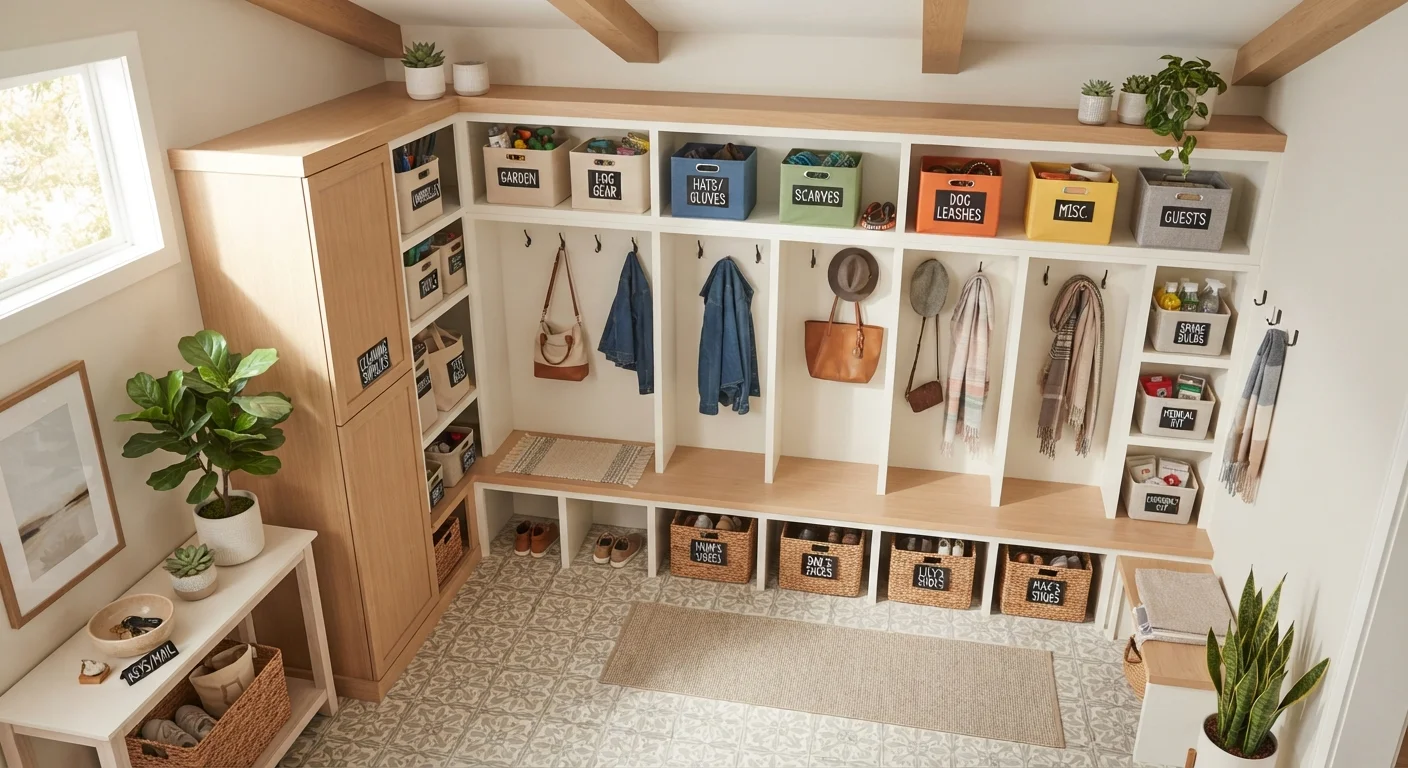
- High-traffic, high-impact first: Entryways, kitchens, and main bathrooms are used daily. Early wins here make the effort feel worthwhile immediately.
- Personal spaces next: Bedrooms and home offices benefit from the clarity you'll have developed after the early rooms.
- Storage and overflow last: Garages, basements, and attics are dense with decisions and often hold items from every other room. Tackling them last means you already know what belongs elsewhere.
Before diving into any room, a structured pre-assessment helps. Running through a pre-organization checklist before you move a single item saves time and prevents common missteps.
For a comprehensive view of how this framework fits into whole-home organization from start to finish, the end-to-end home organization resource covers every stage in detail.
The Framework Is a Starting Point, Not a Rule
Frequently Asked Questions
The content provided on our blog site traverses numerous categories, offering readers valuable and practical information. Readers can use the editorial team’s research and data to gain more insights into their topics of interest. However, they are requested not to treat the articles as conclusive. The website team cannot be held responsible for differences in data or inaccuracies found across other platforms. Please also note that the site might also miss out on various schemes and offers available that the readers may find more beneficial than the ones we cover.