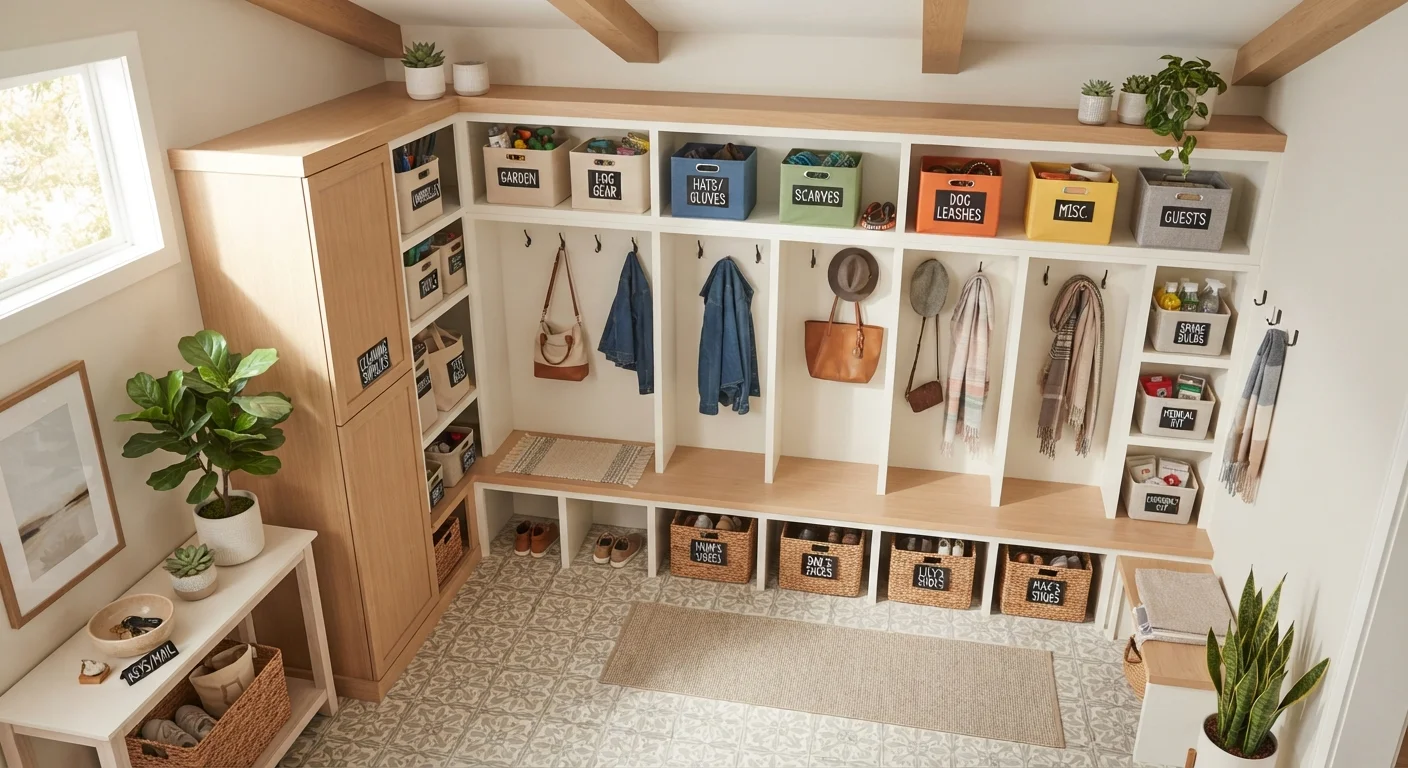
Before You Reorganize a Room, Run Through This Checklist


Photo: Online-Searches.net | Explore Insightful Blogs editorial
Key Takeaways
- Assessing a room before moving anything prevents wasted effort and repeated reorganization.
- Traffic flow, lighting, and storage capacity all affect whether a new layout will actually work.
- Identifying the root causes of clutter helps you build systems that last.
- Gathering supplies and setting a realistic scope before starting reduces mid-project stalls.
- A written plan — even a rough sketch — dramatically improves reorganization outcomes.
Why a Pre-Reorganization Audit Pays Off
Most reorganization projects stall or get undone within weeks — not because the person lacked motivation, but because they started without a clear picture of the room's problems. Moving furniture and buying bins before understanding why a space stopped working is the single most common mistake home organizers encounter.
This checklist gives you a structured way to assess a room before lifting a single item. Think of it as a diagnostic visit: you're gathering information, not yet making changes. The payoff is a reorganization plan that addresses real problems rather than just shuffling them around.
If you're newer to the broader process, the complete guide to decluttering your home from scratch is a strong starting point. For a deeper look at organizing strategies, the end-to-end home organization resource covers every stage from first sort to long-term maintenance.
Measuring tape
Measure room dimensions and furniture to verify that planned layouts will actually fit.
Notepad or notes app
Record audit observations room by room so nothing is missed before planning begins.
Donation boxes or bags
Immediately sort items leaving the room so they don't get mixed back in.
Label maker or masking tape and marker
Label storage containers and shelves so new organizational systems are easy to maintain.
Graph paper or free floor plan app
Sketch alternative furniture layouts to scale before moving anything heavy.
How to Use This Checklist
Walk through the room with a notepad or your phone open to a notes app. Work through each group in order — the sequence matters, because what you observe in one area will inform decisions in the next. Mark items as you go and note specific observations rather than general impressions. "Not enough shelf space near the door" is more useful than "feels cluttered."
Expect to spend 30–60 minutes on an average room. Larger spaces or rooms with complex storage — garages, kitchens, home offices — may take longer. Resist the urge to start reorganizing mid-audit; finish the assessment first.
Room Assessment
Storage Inventory
Clutter Source Analysis
Preparation and Supplies
Final Readiness Check
Don't Skip the Measurement Step
Turning Your Audit Into a Plan
Once you've completed the checklist, review your notes as a whole before deciding on any changes. Look for patterns: if three separate checklist items point to insufficient storage near the entry, that's your priority. If most items are about traffic flow, furniture placement is your first lever to pull.
Sketch a rough floor plan — it doesn't need to be to scale — and mark where your high-priority fixes will land. Note which changes require only rearranging what you own versus which might require new storage solutions. This distinction helps you stay on budget and avoid impulse purchases that don't solve the actual problem.
If your audit reveals that the room's layout is fundamentally constrained — say, a wall that blocks natural circulation paths — it's worth understanding the bigger picture. The trade-offs of open-concept renovations article covers what's involved if structural changes ever come into question.
For rooms where clutter is the dominant problem, consider whether a category-based or location-based approach suits your household best. The comparison of decluttering methods can help you decide before you begin sorting.
With your audit complete and a written plan in hand, you're ready to reorganize with intention — and far less chance of having to do it twice.
Avoid Buying Storage Before Decluttering
The content provided on our blog site traverses numerous categories, offering readers valuable and practical information. Readers can use the editorial team’s research and data to gain more insights into their topics of interest. However, they are requested not to treat the articles as conclusive. The website team cannot be held responsible for differences in data or inaccuracies found across other platforms. Please also note that the site might also miss out on various schemes and offers available that the readers may find more beneficial than the ones we cover.