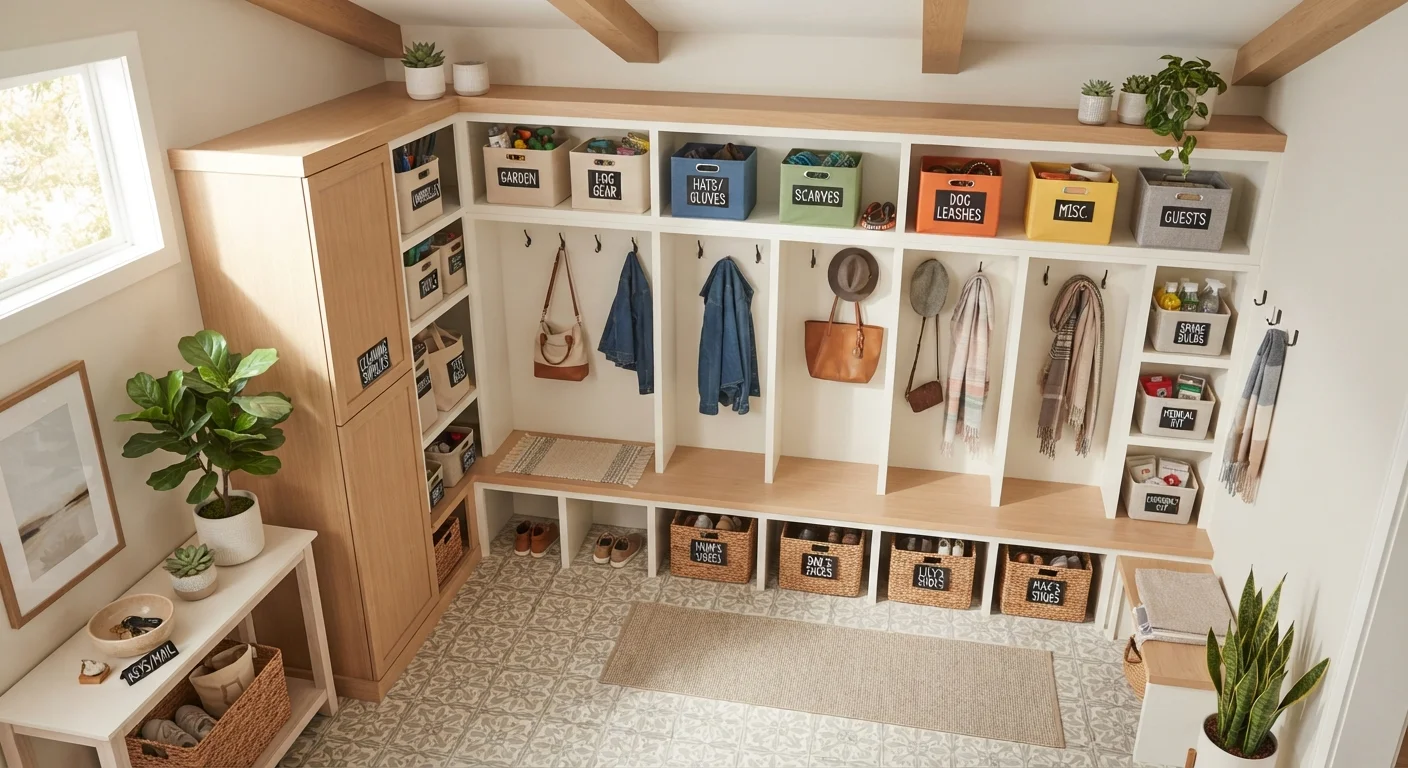
Decluttering Your Home From Scratch


Photo: Online-Searches.net | Explore Insightful Blogs editorial
Key Takeaways
- Decluttering works best when you establish a decision framework before touching a single item.
- Starting with a high-visibility, low-stakes area builds early confidence and visible results.
- The two main approaches — by category or by location — suit different homes and personalities.
- Preventing re-clutter requires simple daily habits, not just a one-time purge.
- Consistent small sessions outperform occasional marathon efforts for most households.
Why Starting from Scratch Is Actually an Advantage
If you've never seriously decluttered your home before, you might feel behind. You're not. Starting from scratch means you haven't developed any entrenched systems to undo — you get to build smart habits from the ground up, without undoing someone else's half-finished attempt.
Clutter accumulates gradually, so it rarely feels urgent until it becomes genuinely disruptive. Dishes overflow the cabinet, junk lands on every flat surface, and closets no longer close properly. The goal of decluttering isn't a magazine-ready home — it's a functional one where you can find what you need and move through your space comfortably.
This guide focuses on building a reliable process. For a broader look at how organization fits into long-term homeownership, the complete home organization resource covers every stage from first purge to lasting maintenance.
Decluttering
The deliberate process of removing items from your home that are no longer useful, used, or meaningful — distinct from simply organizing or tidying.
One-in, one-out rule
A household habit where each new item brought home is matched by removing a comparable item, keeping overall volume from growing.
Category-based sorting
A decluttering method where you gather all items of a single type — like all clothing or all books — from every room and sort them together at once.
Location-based sorting
A decluttering method where you fully complete one room or zone before moving on to the next, working space by space.
Outbox
A designated container — usually a basket or bin — where items earmarked for donation or disposal collect until they're removed from the home.
Assigned home
The specific, consistent place within your home where a given category of item is always stored — the foundation of any working organization system.
Building Your Decision-Making Framework
The most common reason decluttering stalls is indecision. Without a framework for evaluating each item, you'll pick something up, feel uncertain, and set it back down. A simple three-category system handles most decisions:
- Keep: Used regularly, needed for a specific purpose, or genuinely meaningful.
- Remove: Donate, sell, or discard — get it out of the house.
- Relocate: Belongs somewhere else in the home; deal with it after the session.
When an item feels difficult, ask one concrete question: If I needed this today, would I know where to find it? If the answer is no, it may be taking up space without serving a real function. Sentimental items deserve honest thought, not guilt — keep what holds genuine meaning, photograph what doesn't.
Before assuming you need more storage, read our piece on home organization myths that keep your house cluttered. More containers rarely solve the underlying problem.
Set a Timer Before You Start
Choosing Where to Begin
Most decluttering advice tells you to start with the easiest category or the worst room. In practice, the best starting point is wherever you'll see results fastest. High-visibility, low-attachment areas — an entryway table, a kitchen counter, a bathroom cabinet — deliver visible wins quickly and keep motivation high.
Once you have your footing, you'll need to choose between two major approaches. Category-based decluttering means gathering every item of a given type from the whole house and sorting them at once — useful for seeing true quantity. Location-based decluttering means finishing one room before moving to the next — better for households where full access to every room is limited. The category-based vs. location-based decluttering comparison can help you decide which fits your situation.
If you want a structured two-day push to move through the whole house quickly, the weekend whole-home declutter plan provides a room-by-room sequence with realistic time blocks.
Setting Up Systems That Prevent Re-Clutter
A decluttered space reverts to chaos if nothing changes about how items enter and get stored. Two habits do most of the work:
- One-in, one-out: When something new comes home, something comparable leaves. This keeps volume constant without requiring periodic purges.
- A permanent outbox: Keep a basket or bin in a consistent spot where items ready to donate or discard collect naturally. Empty it on a regular schedule — monthly works for most households.
Surfaces are the first indicator of system failure. If countertops keep filling up, the issue is usually a missing home for items that land there by default. The kitchen counter clutter guide breaks down exactly why this happens and what fixes actually hold.
Assign every category of item a defined home. Items without an assigned place will drift to the nearest flat surface — every time.
Don't Buy Storage Before You Sort
Keeping the Momentum Going
Decluttering isn't a single event — it's an ongoing practice. Homes change as families and lives change, and what belongs in your space today may not belong in a year. Building a light maintenance rhythm prevents the need for another full start-from-scratch session.
Short, regular sessions — 15 minutes a few times a week — generally outperform occasional marathon efforts. Schedule a seasonal review of specific areas to catch creeping accumulation before it becomes overwhelming. Our seasonal home organization guide breaks down which tasks align naturally with each quarter of the year.
If you want a grounded perspective on why a consistently organized home is worth sustaining, the long-term case for a tidy home offers a realistic, balanced look at both the benefits and the trade-offs.
Progress will be uneven. Some sessions will feel productive; others won't. That's normal. What matters is continuing to move in a direction — not finishing perfectly.
Frequently Asked Questions
The content provided on our blog site traverses numerous categories, offering readers valuable and practical information. Readers can use the editorial team’s research and data to gain more insights into their topics of interest. However, they are requested not to treat the articles as conclusive. The website team cannot be held responsible for differences in data or inaccuracies found across other platforms. Please also note that the site might also miss out on various schemes and offers available that the readers may find more beneficial than the ones we cover.