Keeping the Whole Household on the Same Page About Organization

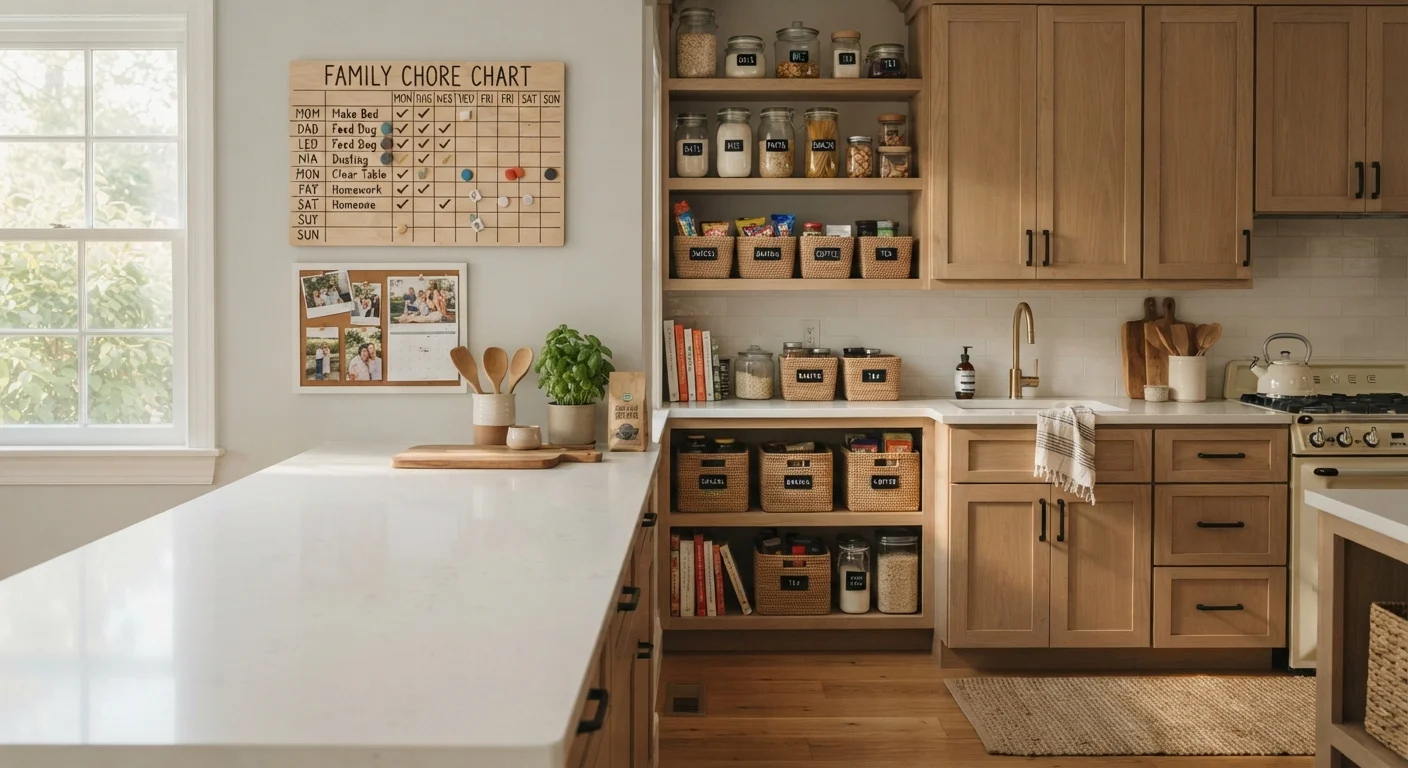
Photo: Online-Searches.net | Explore Insightful Blogs editorial
Key Takeaways
- Household organization systems fail most often due to lack of buy-in, not lack of storage.
- Involving everyone in designing the system increases the chance they'll actually use it.
- Clear, visible labels and designated zones reduce the mental effort of staying organized.
- Short, regular household check-ins prevent small slip-ups from becoming permanent habits.
- Adjusting systems for different ages and abilities makes shared organization realistic long-term.
Why Shared Systems Break Down
Most household organization problems aren't really about bins, labels, or closet space. They're about alignment. When one person designs a system alone and expects others to follow it, friction is almost guaranteed. People are far more likely to maintain a system they helped create than one handed to them.
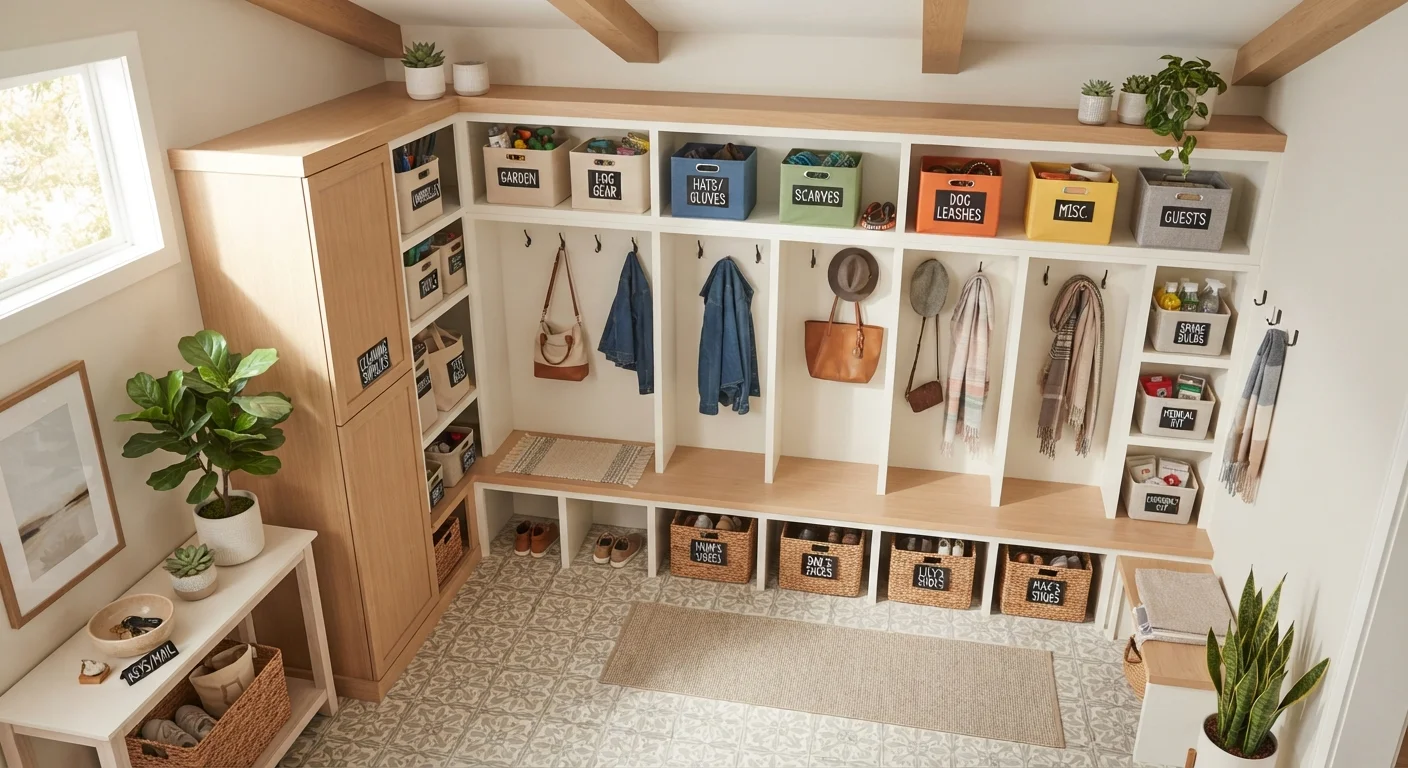
This dynamic shows up repeatedly: the meticulously labeled pantry that everyone except the person who built it ignores, the mudroom hook system that works beautifully until a teenager decides the floor is easier. If your current system depends on one person doing constant reminders and corrections, it's a solo system masquerading as a shared one.
The good news is that the fix isn't about discipline — it's about design. Common organization myths often lead people to over-engineer solutions that don't fit how their household actually lives. A system that works is one built around real behavior, not ideal behavior.
Best Practices for Getting Everyone on Board
The following approaches apply whether you're coordinating with a partner, school-age kids, or adult roommates. Adapt them to your household's size, schedules, and personalities.
Hold a household meeting before implementing any new system.
Assign zones, not just tasks.
Make the right choice the easy choice through visual cues.
Schedule brief, regular resets rather than waiting for things to fall apart.
Adapt expectations and tasks to each person's age and ability.
Revisit and revise systems as household life changes.
Starting the Conversation Without Creating Conflict
Raising the topic of household organization can feel loaded, especially if past attempts have created tension. Framing matters. Approach it as a shared problem to solve together rather than a standard not being met. Ask questions before proposing solutions: What feels hardest to keep up with? Where do things most often pile up? What would make your daily routine easier?
This kind of conversation has a lot in common with other household alignment discussions. The strategies used for budgeting as a household — listening first, agreeing on shared goals, revisiting periodically — translate well to organization planning.
For a fuller picture of what consistent organization actually delivers over time, see the long-term case for a tidy home. It can help motivate household members who aren't yet convinced the effort is worth it.
Building Systems That Sustain Themselves
The most durable organization systems are the ones that are easier to use correctly than incorrectly. That means reducing friction at every step: open-top bins rather than lidded ones for frequently accessed items, return spots located exactly where things naturally get set down, and a small number of clear rules rather than a long list of expectations.
Systems Need a Trial Period
A room-by-room framework can help your household tackle one area at a time rather than attempting a whole-home overhaul that quickly becomes overwhelming. Start with the highest-friction space — usually the entryway, kitchen, or a shared bathroom — and build from there once the first system has held for a few weeks.
For a comprehensive look at every stage of this process, the complete home organization resource covers everything from initial decluttering through long-term maintenance in one place.
The content provided on our blog site traverses numerous categories, offering readers valuable and practical information. Readers can use the editorial team’s research and data to gain more insights into their topics of interest. However, they are requested not to treat the articles as conclusive. The website team cannot be held responsible for differences in data or inaccuracies found across other platforms. Please also note that the site might also miss out on various schemes and offers available that the readers may find more beneficial than the ones we cover.