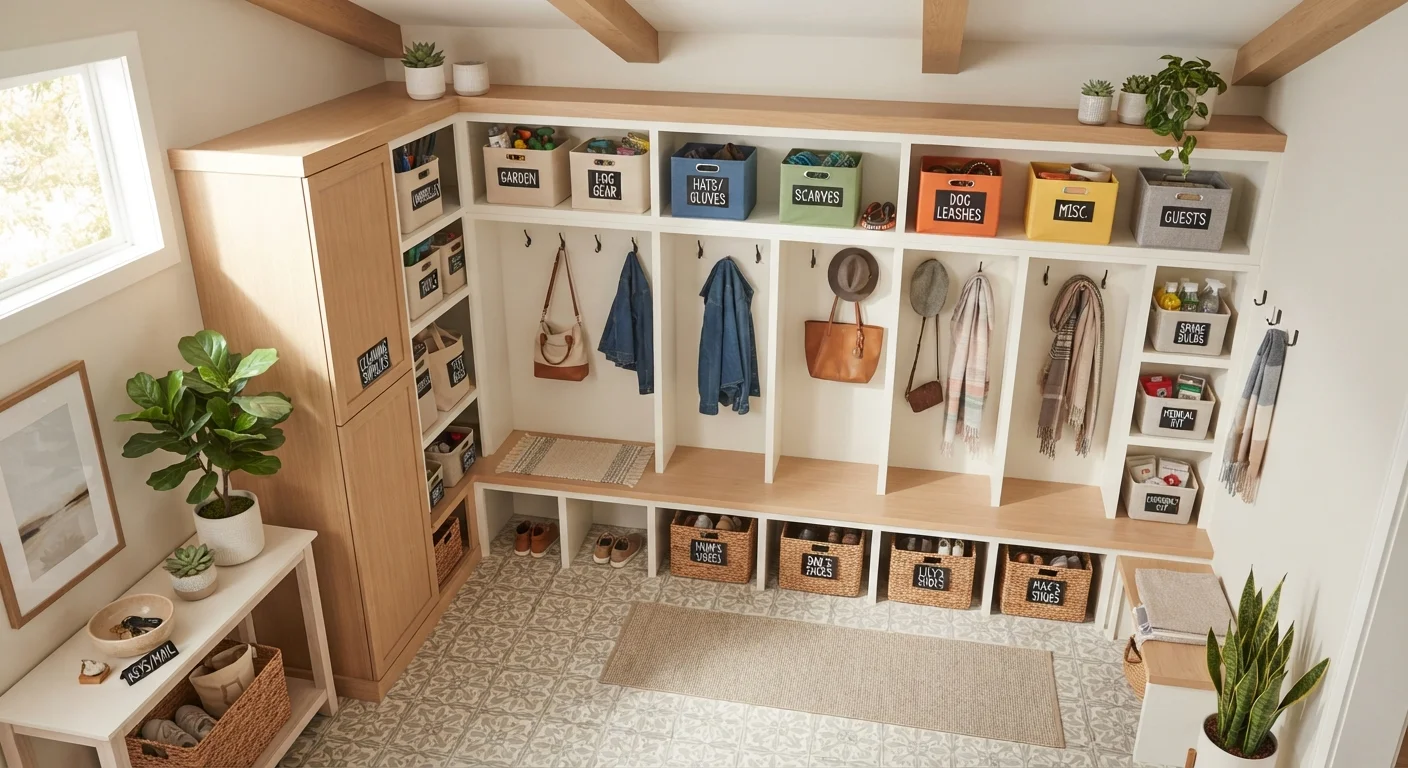
What Professional Organizers Actually Do (And When It's Worth Calling One)

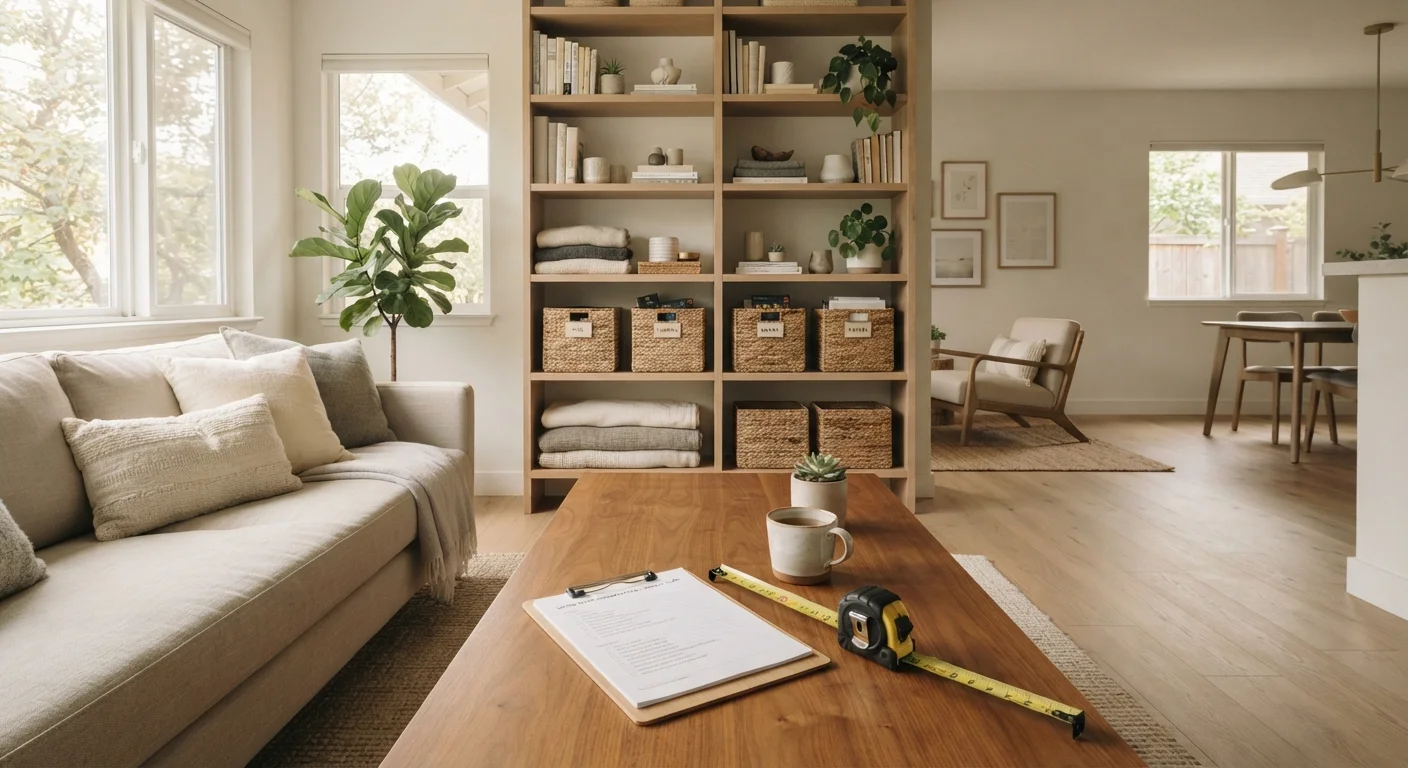
Photo: Online-Searches.net | Explore Insightful Blogs editorial
Key Takeaways
- Professional organizers do more than tidy — they design lasting systems suited to how you actually live.
- A typical engagement involves an assessment, a decluttering phase, and a systems-building session.
- Hiring one makes the most sense when life transitions, time constraints, or emotional blocks make solo progress unlikely.
- Costs vary widely; many organizers offer hourly rates or package deals, so it pays to ask upfront.
- You can prepare for an organizer visit by identifying your goals and problem areas in advance.
- DIY organization is a valid path — but a professional adds objectivity and accountability that's hard to replicate alone.
What a Professional Organizer Actually Does
The common image of a professional organizer — someone who swoops in, color-codes your closet, and leaves it camera-ready — misses most of the job. The real work is behavioral and analytical before it's ever aesthetic.
A professional organizer typically begins with a discovery conversation or walkthrough. They ask how you use the space, what your daily routines look like, and where friction regularly occurs. This isn't small talk — it's how they build a system that works specifically for you rather than a generic household.
From there, most engagements move through three phases:
- Assessment: Mapping the space, identifying storage gaps, and noting problem patterns (things that pile up, categories with no designated home).
- Decluttering: Working alongside you to sort items into keep, donate, recycle, and discard categories. The organizer facilitates decisions; you make them.
- Systems installation: Assigning homes to categories, labeling containers, establishing maintenance habits, and sometimes sourcing storage solutions.
For a broader look at how these phases apply room by room, see our room-by-room organization framework.
“People don't need more storage. They need less stuff and a clearer understanding of what they actually use. Storage is the last step, not the first.”
— Julie Morgenstern, Organizing expert and author of 'Organizing from the Inside Out'
When Hiring One Actually Makes Sense
Professional organizing isn't a luxury reserved for overwhelmed executives. It's a practical service for anyone whose time, energy, or emotional bandwidth makes solo progress genuinely difficult. Here are the situations where the investment tends to pay off most clearly:
- Major life transitions: Moving, divorce, a new baby, or the death of a loved one often leave people managing far more stuff — and far more stress — than they can process alone.
- Chronic disorganization: Some people have never had a functional system and don't know where to begin. An organizer provides both the framework and the momentum.
- Time scarcity: Busy households where weekends are already packed may benefit from an expert who can compress a month of DIY effort into a focused two-day project.
- Emotional attachment to belongings: An objective third party can make it easier to work through items tied to memory or guilt without the paralysis of doing it alone.
The calculus isn't unlike the one in other skilled trades — knowing when a job benefits from professional expertise versus when you can handle it yourself. The same logic applies here as it does when homeowners weigh DIY versus hiring a pro in other skilled areas.
Ask About Specializations Before You Book
How to Prepare and What to Expect
Before your first session, spend 15 minutes walking your space and jotting down which areas cause the most daily friction. That list becomes your briefing for the organizer — and it keeps the engagement focused on what genuinely matters to you rather than what's most visually obvious.
During the project, expect to make a lot of decisions quickly. Organizers are trained to keep the process moving, and momentum is part of what you're paying for. Fatigue is normal; many organizers build breaks into longer sessions precisely because decision-making is mentally taxing.
After the project, the organizer will typically walk you through the new systems and explain the logic behind each one. This hand-off matters as much as the setup — because a system you don't understand won't survive the first busy week.
If you're not ready to call a professional yet, our pre-organization checklist is a solid self-guided starting point. And for a fuller picture of why organized spaces pay dividends over time, see the long-term case for a tidy home.
54%
Americans who feel overwhelmed by clutter
According to survey data cited by the National Association of Productivity and Organizing Professionals (NAPO), more than half of Americans report feeling overwhelmed by the amount of clutter in their homes.
1 in 4
Two-car garages too cluttered to park in
U.S. Department of Energy research has found that roughly one in four American homeowners with a two-car garage cannot fit even one car inside due to stored belongings.
Frequently Asked Questions
The content provided on our blog site traverses numerous categories, offering readers valuable and practical information. Readers can use the editorial team’s research and data to gain more insights into their topics of interest. However, they are requested not to treat the articles as conclusive. The website team cannot be held responsible for differences in data or inaccuracies found across other platforms. Please also note that the site might also miss out on various schemes and offers available that the readers may find more beneficial than the ones we cover.