
Cool-Season vs. Warm-Season Grasses Explained

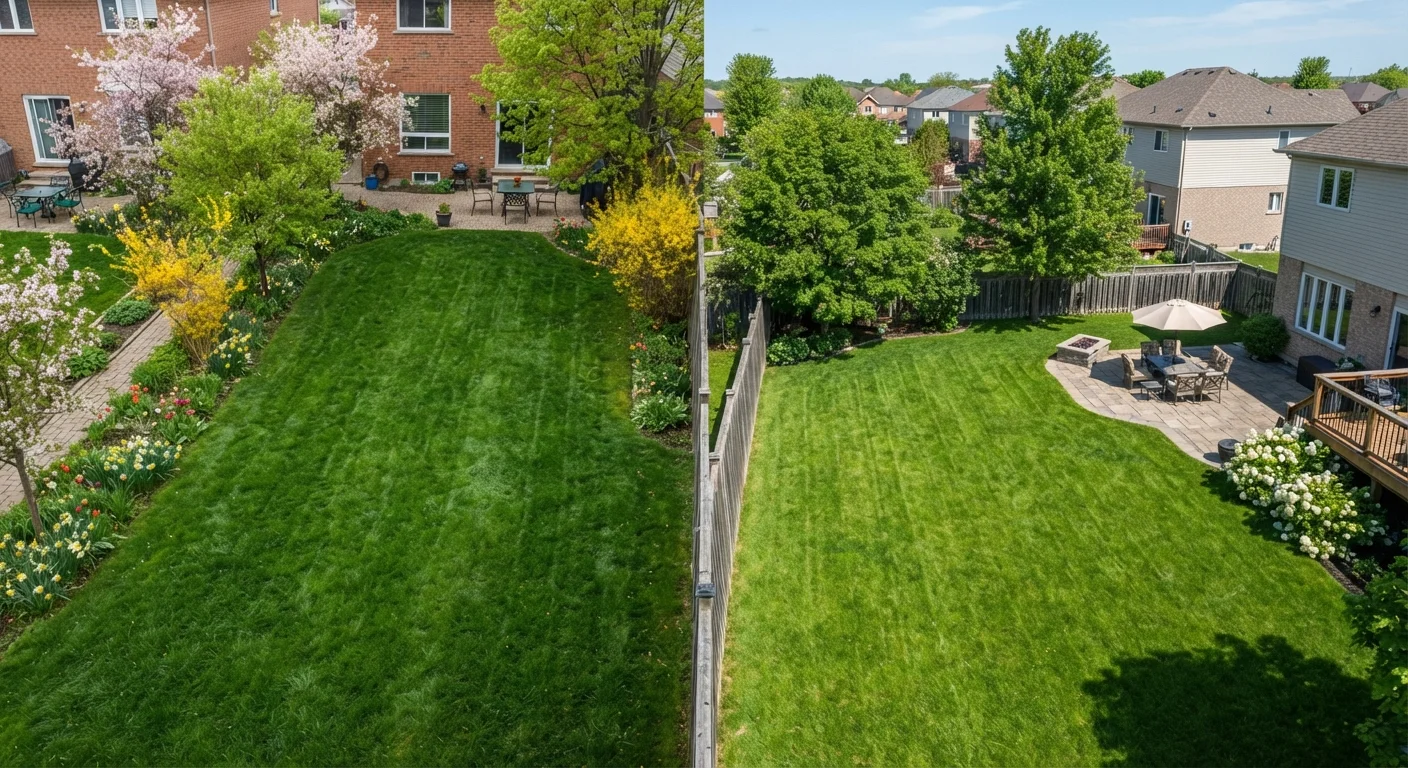
Photo: Online-Searches.net | Explore Insightful Blogs editorial
Key Takeaways
- Cool-season grasses grow best between 60–75°F and thrive in northern US climates.
- Warm-season grasses peak between 80–95°F and dominate the southern US.
- Choosing the wrong grass type for your climate leads to poor performance regardless of care.
- A transition zone across the middle of the US can support either type, depending on microclimate.
- Seeding and fertilizing timing differs significantly between grass categories.
- Understanding your grass type is the foundation of effective lawn care year-round.
What Separates Cool-Season and Warm-Season Grasses
Grass types are not one-size-fits-all. The most fundamental divide in lawn care is between cool-season grasses and warm-season grasses — two broad categories defined by the temperatures at which each type grows most actively and stays healthiest.
Cool-season grasses thrive in soil temperatures of roughly 50–65°F and air temperatures between 60–75°F. They grow most vigorously in spring and fall, often slow during summer heat, and can go semi-dormant when temperatures spike. Common varieties include Kentucky bluegrass, perennial ryegrass, fine fescue, and tall fescue.
Warm-season grasses prefer soil temperatures above 65°F and air temperatures between 80–95°F. They grow aggressively through summer, then go dormant — turning brown but remaining alive — once temperatures fall below about 50°F. Common varieties include Bermudagrass, Zoysiagrass, St. Augustine, centipedegrass, and bahiagrass.
This growth-cycle difference shapes nearly every lawn care decision you make, from when to fertilize and seed, to how to respond when your lawn turns brown. For a closer look at diagnosing color changes, see what causes grass to go thin, yellow, or patchy.
| Criterion | Cool-Season Grasses | Warm-Season Grasses |
|---|---|---|
| Ideal air temperature | 60–75°F | 80–95°F |
| Peak growth seasons | Spring and fall | Summer |
| Summer behavior | Slows; may go semi-dormant | Active, vigorous growth |
| Winter behavior | Stays green in mild winters | Goes dormant; turns brown |
| Best US region | Northern and Pacific Northwest | Southern and Gulf Coast |
| Drought tolerance | Moderate | High |
| Best seeding window | Late summer to early fall | Late spring to early summer |
| Common varieties | Kentucky bluegrass, tall fescue, ryegrass | Bermuda, Zoysia, St. Augustine |
Where Each Grass Type Belongs: US Climate Zones
Geography largely determines which category you should be working with. The US is informally divided into three lawn-climate regions:
- Northern zone: States like Minnesota, Wisconsin, Pennsylvania, and the Pacific Northwest have cold winters and mild summers — ideal for cool-season grasses.
- Southern zone: States like Texas, Florida, Georgia, and the Carolinas experience hot, humid summers and mild winters — warm-season grass territory.
- Transition zone: A band running roughly through Virginia, Tennessee, Kansas, and northern California presents a challenge. Summers are too hot for cool-season grasses to thrive consistently, yet winters are cold enough to cause warm-season grasses to go dormant for months. Tall fescue is the most commonly recommended option here, though local microclimate matters significantly.
If you're unsure about your zone, your county's cooperative extension office is a reliable resource — they publish region-specific grass variety recommendations grounded in local climate data.
~160°F days
Annual growing degree days in northern US lawns
Cooperative extension services use growing degree day models to advise on turf development timelines in northern climates.
65°F
Minimum soil temp for warm-season grass germination
Soil thermometer readings below this threshold indicate warm-season grass seed will germinate slowly or fail entirely, according to university extension guidelines.
30–40%
Less water needed by dormant warm-season grass
Warm-season grasses in dormancy require significantly less irrigation than actively growing cool-season grasses during the same period, per general turf management guidance.
Timing Your Lawn Care by Grass Type
Getting the timing right is where many homeowners go wrong — and it's almost always tied to grass type.
Cool-Season Grass Calendar
- Seeding: Late summer to early fall (late August through October) is the prime window. Soil is still warm enough to support germination, but cooling air reduces competition from weeds and heat stress.
- Fertilizing: Apply the bulk of nitrogen in fall, with a lighter application in early spring. Avoid heavy feeding in summer when these grasses are stressed.
- Aeration and overseeding: Best done in early fall when the grass is entering its strongest growth phase.
Warm-Season Grass Calendar
- Seeding or sodding: Late spring through early summer, once soil temperatures are consistently above 65°F.
- Fertilizing: Begin feeding in late spring once active growth starts; continue through summer. Stop feeding 6–8 weeks before the first expected frost to avoid stimulating tender new growth before dormancy.
- Aeration: Early summer is best, when the grass is actively growing and can recover quickly.
For a full seasonal breakdown, the month-by-month lawn care reference offers practical guidance across all four seasons. And if you're starting from bare ground, the season-by-season seeding walkthrough covers soil prep and germination expectations in detail.
Making the Right Choice for Your Lawn
The right grass type isn't about preference — it's about matching your lawn to the climate it will actually experience. A warm-season grass planted in Minnesota will struggle through summers that feel mild to a Texan but will suffer greatly during prolonged northern winters. Likewise, Kentucky bluegrass in Phoenix will require enormous amounts of water and may still fail under sustained triple-digit heat.
Beyond climate zone, consider these factors:
- Sun exposure: Some varieties within each category handle shade better than others. Fine fescues (cool-season) and St. Augustine (warm-season) are among the more shade-tolerant options within their groups.
- Foot traffic: Bermudagrass and tall fescue are among the most wear-tolerant options in their respective categories — important for yards with active kids or pets.
- Maintenance commitment: Centipedegrass requires relatively low fertilization; Kentucky bluegrass demands more attentive care including regular overseeding.
Once you've identified your grass type, your spring lawn prep checklist should be built around that grass's specific growth calendar, not generic advice. Understanding what you're growing is the single most effective way to stop guessing and start seeing consistent results.
The Transition Zone Challenge
The content provided on our blog site traverses numerous categories, offering readers valuable and practical information. Readers can use the editorial team’s research and data to gain more insights into their topics of interest. However, they are requested not to treat the articles as conclusive. The website team cannot be held responsible for differences in data or inaccuracies found across other platforms. Please also note that the site might also miss out on various schemes and offers available that the readers may find more beneficial than the ones we cover.