
Lawn Care Through the Year: A Month-by-Month Reference

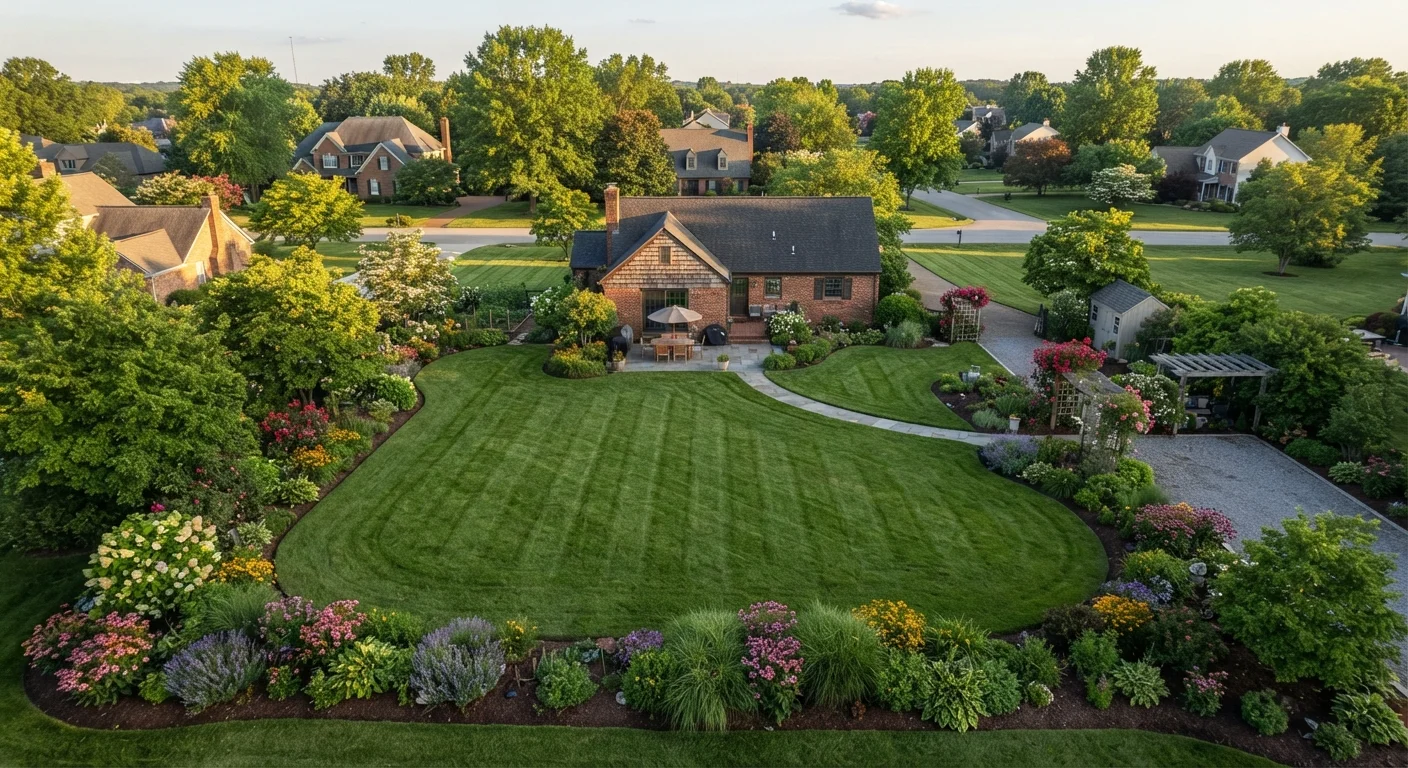
Photo: Online-Searches.net | Explore Insightful Blogs editorial
How to Use This Seasonal Reference
Lawn care isn't a single task — it's a rhythm that shifts with the calendar. This month-by-month reference organizes the core tasks (mowing, feeding, aerating, overseeding, and winterizing) into seasonal windows so you can plan ahead rather than react. Whether your lawn grows cool-season grasses like fescue and bluegrass, or warm-season varieties like bermuda and zoysia, timing your inputs correctly is the single biggest lever you can pull. See our guide on cool-season vs. warm-season grasses to confirm which category applies to your lawn before acting on any advice below.
| Best aeration timing (cool-season grass) | Early fall (September) |
| Best aeration timing (warm-season grass) | Late spring to early summer |
| Ideal mowing height (cool-season) | 2.5–4 inches depending on species |
| Ideal mowing height (warm-season) | 1–3 inches depending on species |
| Target weekly water (established lawn) | ~1 inch per week |
| Soil temp for cool-season grass activity | 50–55°F |
| Soil temp for warm-season grass activity | 60–65°F |
| Thatch threshold requiring action | More than 0.5 inches |
Spring (March–May): Wake-Up and Establish
Spring is your highest-leverage window. As soil temperatures consistently reach 50–55°F, cool-season grasses resume active growth; warm-season grasses begin breaking dormancy closer to 60–65°F.
- March: Rake out thatch and matted dead material. Sharpen mower blades before first cut. Avoid heavy foot traffic on saturated soil.
- April: Apply a pre-emergent herbicide if crabgrass is a recurring issue — timing here is critical and soil-temperature-dependent. Begin mowing once grass reaches one-third above your target height. Apply a balanced slow-release fertilizer for cool-season lawns.
- May: Overseed thin patches before heat arrives. Water new seed consistently — typically 2–3 light waterings per day until germination. Core aerate compacted areas if you didn't do so in fall.
For a structured checklist covering this window in more detail, see our spring lawn prep guide.
Summer (June–August): Maintain and Protect
Summer stresses both grass and homeowners. The goal shifts from growing to protecting what you've established.
- June: Raise mowing height by half an inch — taller grass shades soil, reducing moisture loss and weed germination. Water deeply and infrequently: roughly 1 inch per week, ideally in early morning. For equipment comparisons, see drip irrigation vs. sprinkler systems.
- July: Avoid fertilizing cool-season lawns during peak heat — it can stress already-struggling turf. Warm-season grasses, however, are in their prime growing window and benefit from a nitrogen application mid-summer.
- August: Scout for grubs and surface insects. Begin planning fall overseeding for cool-season lawns. Let cool-season lawns go semi-dormant if drought stress is significant — they typically recover; mowing stressed dormant turf causes real damage.
Summer Dormancy Is Not the Same as Death
Fall (September–November): Repair and Fortify
Fall is the most productive season for cool-season lawns, and a critical close-out window for warm-season turf.
- September: Core aerate cool-season lawns — this is the optimal timing. Aeration relieves compaction, improves oxygen exchange, and prepares seedbeds. Overseed immediately after aeration while soil is warm. For starting fresh, see our seeding a lawn from scratch guide.
- October: Apply a high-phosphorus or "winterizer" fertilizer to cool-season lawns to support root development before dormancy. Continue mowing until growth stops; don't let grass go into winter too tall or too short (aim for 2.5–3 inches for most cool-season varieties).
- November: Drain and store irrigation systems before first hard freeze. Drain gas from mower or add a fuel stabilizer. Clear leaves promptly — a thick mat left over winter can smother turf and invite disease.
For non-chemical weed management heading into dormancy, see weed control without chemicals.
Winter (December–February): Rest and Readiness
For most of the US, winter is a maintenance pause — but not a planning pause.
- December–January: Avoid walking on frozen or frost-covered turf. Dormant grass blades are brittle and foot traffic can break crown tissue, causing bare patches come spring. This is a good time to review your lawn's performance over the past year and identify recurring problem areas (drainage issues, heavy shade, compaction zones).
- February: Service mower blades, belts, and air filters before the season opens. Order seed, fertilizer, and pre-emergent products so you're not scrambling when soil temps rise. Review your watering setup — see irrigation system options if upgrades are on your list.
Treating winter as prep time rather than downtime means you enter spring positioned to act quickly — which is where the real results are made.
Core Aeration
The process of removing small plugs of soil from the lawn to relieve compaction, improve water penetration, and allow air and nutrients to reach grass roots more easily.
Overseeding
Spreading grass seed over an existing lawn — without tilling — to fill in thin areas, improve density, or introduce improved grass varieties.
Thatch
A layer of dead and living organic material (stems, roots, debris) that accumulates between the soil surface and green grass blades. Excessive thatch (over half an inch) can block water and nutrients.
Pre-emergent Herbicide
A weed-control product applied to the soil before weed seeds germinate. It prevents germination rather than killing established plants, so timing relative to soil temperature is critical.
Winterizer Fertilizer
A fertilizer formulated with higher phosphorus or potassium content, applied in late fall to encourage root development and improve a lawn's ability to survive winter and green up quickly in spring.
Dormancy
A natural state of reduced growth that grass enters during temperature extremes — either winter cold or summer drought. Dormant grass is typically tan or straw-colored but is not necessarily dead.
The content provided on our blog site traverses numerous categories, offering readers valuable and practical information. Readers can use the editorial team’s research and data to gain more insights into their topics of interest. However, they are requested not to treat the articles as conclusive. The website team cannot be held responsible for differences in data or inaccuracies found across other platforms. Please also note that the site might also miss out on various schemes and offers available that the readers may find more beneficial than the ones we cover.