
Weed Control Without Chemicals: Approaches That Hold Up Over Time

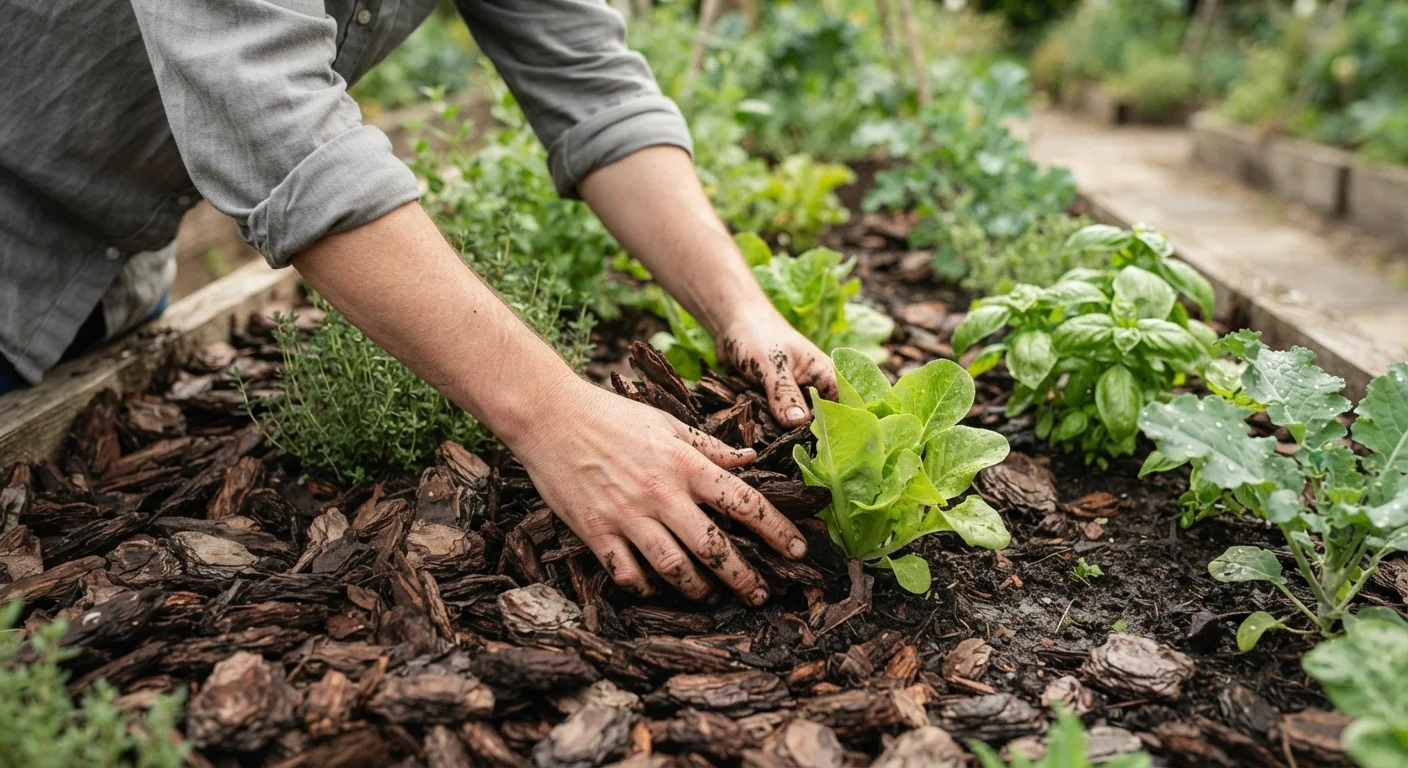
Photo: Online-Searches.net | Explore Insightful Blogs editorial
Key Takeaways
- Mulching at the right depth consistently outperforms most other non-chemical weed control methods.
- Hand-pulling works best when weeds are young and roots haven't spread — timing is critical.
- Soil solarization can clear heavily infested areas but requires warm weather and several weeks of setup.
- Combining two or more methods — such as smothering followed by mulching — delivers the most durable results.
- Healthy, dense plantings are themselves a form of weed control by reducing bare soil exposure.
Why Non-Chemical Weed Control Deserves a Closer Look
Chemical herbicides are effective, but they're not the only tool worth having. Many gardeners and lawn owners choose to avoid them for health reasons, environmental concerns, or simply because certain chemicals aren't appropriate near edible plants or in areas where children and pets spend time. The good news: several non-chemical methods hold up well when applied consistently and correctly.
The key is matching the method to the situation. No single approach handles every weed in every setting. Understanding how each one works — and where it falls short — helps you make smarter choices before you invest time and effort. For a broader look at how soil inputs interact with your weed management goals, see our guide to organic vs. synthetic fertilizer.
Apply mulch at a depth of 3 to 4 inches across all garden beds.
Pull weeds when they are small and before they set seed.
Use soil solarization to clear heavily infested areas before replanting.
Smother persistent weeds with cardboard or landscape fabric before adding mulch.
Disturb the soil as little as possible during maintenance tasks.
Quick Actions You Can Take Today
Not every weed problem requires a long-term plan. Some immediate steps can stop the spread while you put a broader system in place.
Building a System That Lasts
One-time interventions rarely solve weed problems permanently. The most successful home gardeners treat weed control as an ongoing system rather than a single task. That means layering methods — for example, solarizing an overgrown patch in summer, then immediately covering it with mulch and transplanting dense ground covers before winter.
Dense planting is an underrated strategy. Bare soil is an open invitation for weed seeds to germinate. Filling gaps with low-maintenance ground covers, perennials, or — in vegetable beds — succession-sown crops reduces the opportunity weeds have to establish. Our complete vegetable garden planning guide covers companion planting and spacing approaches that naturally crowd out weeds.
Mulch choice matters too. Not all mulches perform equally — straw breaks down faster than wood chips, which affects how often you'll need to reapply. For a detailed comparison, see Garden Mulch: Types, Uses, and When Each One Makes Sense.
If you're managing a lawn rather than a garden bed, keep in mind that a thick, healthy turf is itself a weed deterrent. Proper mowing height, aeration, and overseeding close the gaps that weeds exploit. Our month-by-month lawn care reference can help you time these tasks across seasons. If you're starting from bare soil, seeding a lawn from scratch walks through soil prep and establishment steps that give grass the advantage over weeds from the start.
Persistence Matters More Than Perfection
The content provided on our blog site traverses numerous categories, offering readers valuable and practical information. Readers can use the editorial team’s research and data to gain more insights into their topics of interest. However, they are requested not to treat the articles as conclusive. The website team cannot be held responsible for differences in data or inaccuracies found across other platforms. Please also note that the site might also miss out on various schemes and offers available that the readers may find more beneficial than the ones we cover.