
Garden Mulch: Types, Uses, and When Each One Makes Sense

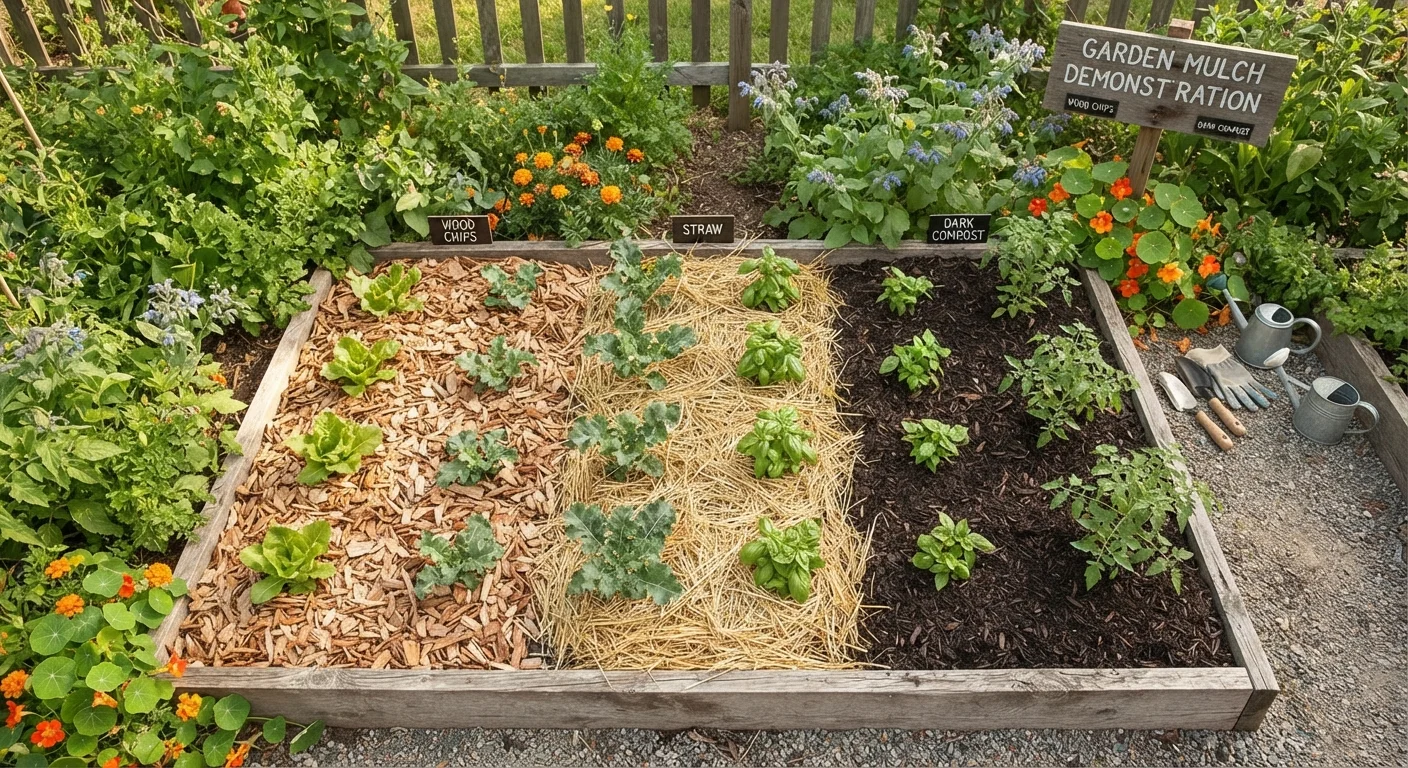
Photo: Online-Searches.net | Explore Insightful Blogs editorial
Key Takeaways
- Organic mulches like wood chips and straw break down over time and improve soil health.
- Inorganic mulches such as rubber or gravel don't decompose and require minimal replacement.
- Mulch depth matters — too thin provides little benefit, too thick can suffocate roots.
- The right mulch depends on your specific goal: weed suppression, moisture retention, or soil building.
- Most vegetable gardens benefit from light, breathable mulches; trees and shrubs handle heavier wood-based options.
Why Mulch Matters More Than Most Gardeners Realize
Mulch does several jobs at once: it slows moisture evaporation from the soil surface, moderates soil temperature, suppresses weeds, and — depending on the type — gradually feeds the soil biology beneath it. Understanding what each type actually delivers helps you stop buying the wrong one by habit and start choosing by purpose.
One detail that catches many gardeners off guard: mulch depth. A layer that's too thin (under 2 inches) dries out quickly and barely slows weeds. A layer that's too thick (over 4–5 inches for most materials) can restrict air and water movement, creating conditions that stress plant roots. A 2–4 inch layer hits the practical sweet spot for most applications. Keep mulch a few inches away from plant stems and tree trunks to prevent rot and pest problems.
If you're also working on improving the ground underneath, it's worth reading about what your soil structure is signaling before you mulch over a problem that needs addressing first.
Organic Mulch Options and What They Do Best
Organic mulches are made from plant-based materials that break down over time. That decomposition is a feature, not a flaw — it adds organic matter to the soil, feeds earthworms and beneficial microbes, and gradually improves drainage and fertility.
| Wood Chips/Bark | Straw | Shredded Leaves | Compost | Rubber | Gravel/Stone | |
|---|---|---|---|---|---|---|
| Soil improvement | Moderate (slow) | Good | Very good | Excellent | None | None |
| Weed suppression | Good | Good | Moderate | Moderate | Very good | Good |
| Moisture retention | Very good | Good | Good | Good | Moderate | Poor |
| Longevity | 2–3 years | 1 season | 1 season | 1 season | Many years | Permanent |
| Best application | Trees, shrubs | Vegetables | Borders, beds | Vegetable beds | Pathways, play areas | Dry gardens, paths |
| Relative cost | Low–Moderate | Low | Often free | Low–Moderate | Moderate–High | Moderate–High |
Wood Chips and Bark Mulch
Coarse wood chips and shredded bark are among the most widely available mulches. They're long-lasting (often 2–3 years before needing significant replenishment), excellent at moisture retention, and visually tidy. They work well around trees, shrubs, and perennial beds. One note of caution: fresh wood chips temporarily tie up nitrogen as they decompose. Mixing them directly into the soil before planting can create a nitrogen deficit for young plants — but used as a surface mulch without incorporation, this effect is minimal.
Straw
Straw — ideally seed-free to avoid introducing weeds — is a classic choice for vegetable gardens. It's lightweight, allows water to pass through easily, and breaks down in one season, adding organic matter. It's less attractive visually than bark, but functional performance in the kitchen garden is hard to beat. Be aware that hay (cut grass with seed heads) is not the same as straw; hay can introduce a significant weed burden.
Shredded Leaves
Often free, shredded leaves are one of the most soil-beneficial mulches available. Running whole leaves through a mower before applying prevents matting. They decompose relatively quickly — usually within a season — making them especially valuable for building organic matter in thin or sandy soils. They pair naturally with a composting system for a low-waste yard approach.
Compost as Mulch
Finished compost applied as a surface mulch offers immediate soil-feeding benefits and gentle weed suppression. It's typically applied in thinner layers (1–2 inches) than other mulches and works especially well on vegetable beds and flower borders where soil fertility is a priority.
Inorganic Mulch Options and When They Make Sense
Inorganic mulches don't break down, which means they don't contribute to soil health — but they also don't need replacing as often, making them appealing for permanent landscape features.
Landscape Fabric Under Inorganic Mulch
Rubber Mulch
Typically made from recycled tires, rubber mulch is durable, retains its color for years, and doesn't compact or decompose. It's sometimes used around playground equipment or in permanent landscape borders. The tradeoff: it provides no soil benefit, can heat up significantly in direct sun, and raises environmental questions around leaching over time. It's generally not recommended for food gardens or beds where soil health is a priority.
Gravel and Stone
Gravel or decorative stone works well in dry-climate gardens, around drought-tolerant plants, or along pathways where a permanent, low-maintenance surface is the goal. It suppresses weeds effectively when laid over landscape fabric, though weeds can eventually establish in accumulated debris on top of the stones. It does not retain moisture — in hot climates it can actually increase soil surface temperatures — so it's poorly suited for plants that need consistent moisture.
For gardeners weighing mulch as part of a broader weed-management strategy, non-chemical weed control approaches are worth reviewing alongside mulch selection.
Matching Mulch to the Right Spot in Your Yard
Choosing mulch becomes straightforward once you're clear on the goal for each area:
- Vegetable garden beds: Straw or shredded leaves — breathable, digestible, and won't compete with fast-growing annuals.
- Trees and established shrubs: Wood chips or bark — long-lasting, moisture-retaining, and appropriate for the slower-paced needs of woody plants.
- Perennial borders: Shredded bark or compost — depending on whether aesthetics or soil building is the priority.
- Dry or rock gardens: Gravel or stone — complements drought-tolerant plants and minimizes irrigation needs.
- Pathways between beds: Wood chips or gravel — functional suppression of foot-traffic areas without concern for soil nutrition.
If you're building or planning a raised bed, mulch decisions connect closely to raised bed design considerations worth thinking through early.
Ultimately, the most effective mulching strategy involves re-evaluating each area once per season. Organic mulches decompose and need periodic topping off; inorganic options may need weeding or redistribution. A quick annual walk-through is all it takes to keep every bed performing well.
The content provided on our blog site traverses numerous categories, offering readers valuable and practical information. Readers can use the editorial team’s research and data to gain more insights into their topics of interest. However, they are requested not to treat the articles as conclusive. The website team cannot be held responsible for differences in data or inaccuracies found across other platforms. Please also note that the site might also miss out on various schemes and offers available that the readers may find more beneficial than the ones we cover.