
Raised Garden Beds: The Full Picture Before You Build

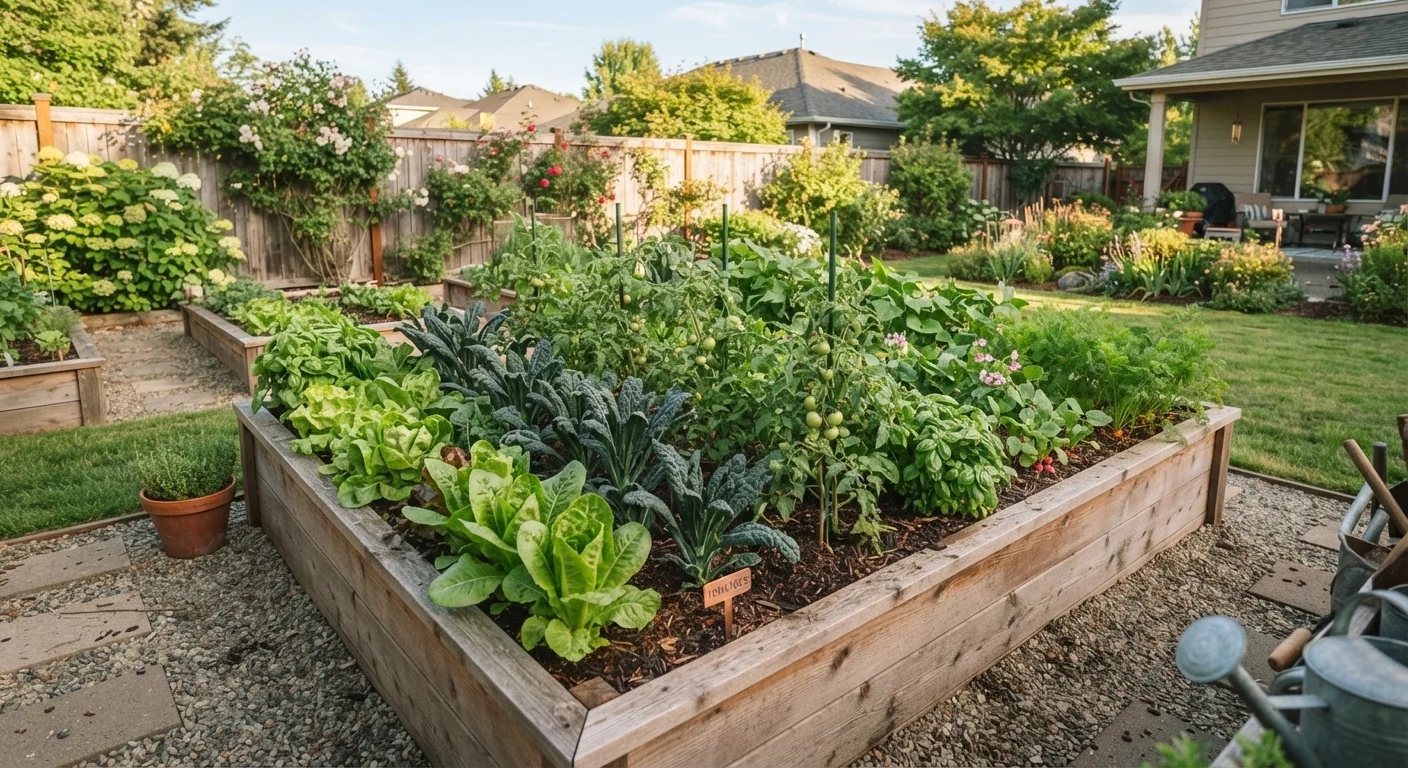
Photo: Online-Searches.net | Explore Insightful Blogs editorial
Key Takeaways
- Raised beds give you precise control over soil quality, which is a major advantage over difficult native ground.
- Upfront material and soil costs are higher than planting directly in the ground.
- Raised beds drain faster, which helps in wet climates but means more frequent watering in dry ones.
- They reduce back strain for many gardeners but require ongoing maintenance like topping off soil each season.
- Long-term durability depends heavily on the materials you choose for the frame.
Full control over soil quality and composition
You fill the bed with whatever growing medium suits your crops, bypassing compacted clay, rocky subsoil, or contaminated ground entirely. This is particularly valuable for food gardeners who need consistent, nutrient-rich conditions.
Excellent drainage reduces root rot risk
Raised soil drains faster than compacted ground, which protects plants from waterlogging — a common problem in heavy clay soils. This also warms up earlier in spring, extending your growing season.
Reduced weed pressure, especially early on
Starting with fresh, weed-seed-free soil gives you a significant head start. Because you're not disturbing native weed seeds by tilling, the bed stays relatively clean through the first several seasons.
Ergonomic access reduces bending and kneeling
A bed raised 12–24 inches makes planting, weeding, and harvesting far more comfortable, especially for older gardeners or anyone with back or knee limitations.
No soil compaction from foot traffic
Because you work from outside the frame, the growing medium stays loose and aerated without annual tilling. Root growth and water infiltration both benefit from consistently light soil structure.
Higher upfront cost than in-ground planting
You're paying for both the frame materials and a full volume of quality soil mix. Costs scale with bed size; multiple beds represent a meaningful outlay before a single plant goes in.
Soil dries out faster, increasing watering demand
Raised beds lose moisture more quickly than ground-level gardens due to increased surface exposure and air circulation. In dry or hot climates, this can mean watering daily during peak summer.
Annual topping off with compost is necessary
Organic matter breaks down and soil settles each season, lowering the bed level and depleting nutrients. Replenishing with compost each spring is an ongoing cost and labor commitment.
Frame materials eventually degrade
Wood frames — especially lower-cost options like pine — will rot over several years with repeated moisture exposure. Budgeting for eventual replacement or choosing more durable materials from the start is important.
Can overheat in intense summer climates
Dark-colored or metal frames can conduct heat into the soil, potentially stressing roots during heat waves. This is manageable with mulching and thoughtful placement, but it requires attention in hot regions.
What Raised Beds Actually Do Differently
A raised garden bed is simply a contained growing area — typically framed in wood, galvanized metal, or composite material — filled with a custom soil mix rather than your native ground. That single difference has a cascade of practical consequences, both positive and negative.
Unlike traditional in-ground planting, raised beds give you a fresh start regardless of what's underneath. If your yard has compacted clay, shallow topsoil, or a history of lawn chemicals, a raised bed sidesteps those problems entirely. That's a meaningful advantage, not a minor one. But it also means you're taking full responsibility for the growing environment — and that has real cost and labor implications before the first seed goes in.
For a broader look at planning any significant yard or home project, this complete guide to home improvement planning covers budgeting and sequencing from idea to completion.
The Genuine Advantages
Raised beds consistently outperform in-ground plots in several well-documented ways.
Full control over soil quality and composition
You fill the bed with whatever growing medium suits your crops, bypassing compacted clay, rocky subsoil, or contaminated ground entirely. This is particularly valuable for food gardeners who need consistent, nutrient-rich conditions.
Excellent drainage reduces root rot risk
Raised soil drains faster than compacted ground, which protects plants from waterlogging — a common problem in heavy clay soils. This also warms up earlier in spring, extending your growing season.
Reduced weed pressure, especially early on
Starting with fresh, weed-seed-free soil gives you a significant head start. Because you're not disturbing native weed seeds by tilling, the bed stays relatively clean through the first several seasons.
Ergonomic access reduces bending and kneeling
A bed raised 12–24 inches makes planting, weeding, and harvesting far more comfortable, especially for older gardeners or anyone with back or knee limitations.
No soil compaction from foot traffic
Because you work from outside the frame, the growing medium stays loose and aerated without annual tilling. Root growth and water infiltration both benefit from consistently light soil structure.
Drainage is one of the clearest wins. Because the soil sits above grade and isn't compacted by foot traffic, roots breathe better and water moves through efficiently. That matters most in regions with heavy clay soils or soggy spring conditions. For dry climates, pairing a raised bed with a targeted watering setup helps manage the extra evaporation — drip irrigation is worth considering specifically for raised bed use.
Weed pressure is also meaningfully lower, especially in the first few seasons after filling with fresh soil. And because you never step inside the bed, the growing medium stays loose and aerated season after season without tilling.
The Real Trade-Offs
Raised beds aren't the right fit for every situation, and going in clear-eyed about the downsides prevents frustration later.
Higher upfront cost than in-ground planting
You're paying for both the frame materials and a full volume of quality soil mix. Costs scale with bed size; multiple beds represent a meaningful outlay before a single plant goes in.
Soil dries out faster, increasing watering demand
Raised beds lose moisture more quickly than ground-level gardens due to increased surface exposure and air circulation. In dry or hot climates, this can mean watering daily during peak summer.
Annual topping off with compost is necessary
Organic matter breaks down and soil settles each season, lowering the bed level and depleting nutrients. Replenishing with compost each spring is an ongoing cost and labor commitment.
Frame materials eventually degrade
Wood frames — especially lower-cost options like pine — will rot over several years with repeated moisture exposure. Budgeting for eventual replacement or choosing more durable materials from the start is important.
Can overheat in intense summer climates
Dark-colored or metal frames can conduct heat into the soil, potentially stressing roots during heat waves. This is manageable with mulching and thoughtful placement, but it requires attention in hot regions.
Check for Lead or Contamination First
Soil volume is the most commonly underestimated factor. A standard 4×8-foot bed at 12 inches deep holds roughly 32 cubic feet of material. Purchasing a quality blended mix — typically a combination of topsoil, compost, and aeration amendments — adds up quickly, especially for multiple beds. Budget for this before you build the frame.
Soil, Mulch, and Seasonal Upkeep
One thing many first-time raised bed gardeners don't anticipate: the soil settles and depletes. Each growing season pulls nutrients from the mix, and organic matter breaks down over time, causing the bed to sink several inches. Topping off with fresh compost each spring is the standard fix — it's not a one-and-done setup.
Mulching the surface of a raised bed between plants significantly reduces how much water you lose to evaporation, which is especially important given that raised soil dries out faster than ground-level planting. Understanding how different mulch types behave will help you choose the right option for your bed's needs.
For anyone planning a productive food garden, layout and crop rotation matter as much inside a raised bed as anywhere else. A complete vegetable garden planning approach covers succession planting, companion planting, and spacing decisions that apply directly to raised bed growing.
32 cu ft
Soil needed for a standard 4×8×12" bed
A commonly cited benchmark from cooperative extension services; actual needs vary with fill material and settling.
3–5 years
Typical lifespan of untreated pine frames
Durability depends on local moisture levels and how well the wood is protected at soil contact points.
Material Choices and Longevity
The frame material you choose affects both cost and how long the bed lasts. Untreated pine is inexpensive but may begin breaking down within three to five years depending on moisture exposure. Cedar and redwood resist rot naturally and can last a decade or more, though they cost significantly more upfront. Galvanized steel beds have grown popular for their durability and clean look; they don't rot, but they can heat up in intense summer sun and may need some buffer planting or shading in very hot climates.
Composite lumber made from recycled materials offers a middle ground — more durable than pine, less expensive than cedar, and available in various heights. Whatever material you choose, ensure it hasn't been treated with chemicals not approved for food-growing contact. Current guidance from the U.S. EPA and extension services recommends avoiding older pressure-treated wood containing arsenic-based preservatives; newer ACQ-treated lumber is generally considered acceptable, but checking current guidance before purchase is worthwhile.
The content provided on our blog site traverses numerous categories, offering readers valuable and practical information. Readers can use the editorial team’s research and data to gain more insights into their topics of interest. However, they are requested not to treat the articles as conclusive. The website team cannot be held responsible for differences in data or inaccuracies found across other platforms. Please also note that the site might also miss out on various schemes and offers available that the readers may find more beneficial than the ones we cover.