
Organic vs. Synthetic Fertilizer: Which One Suits Your Lawn?

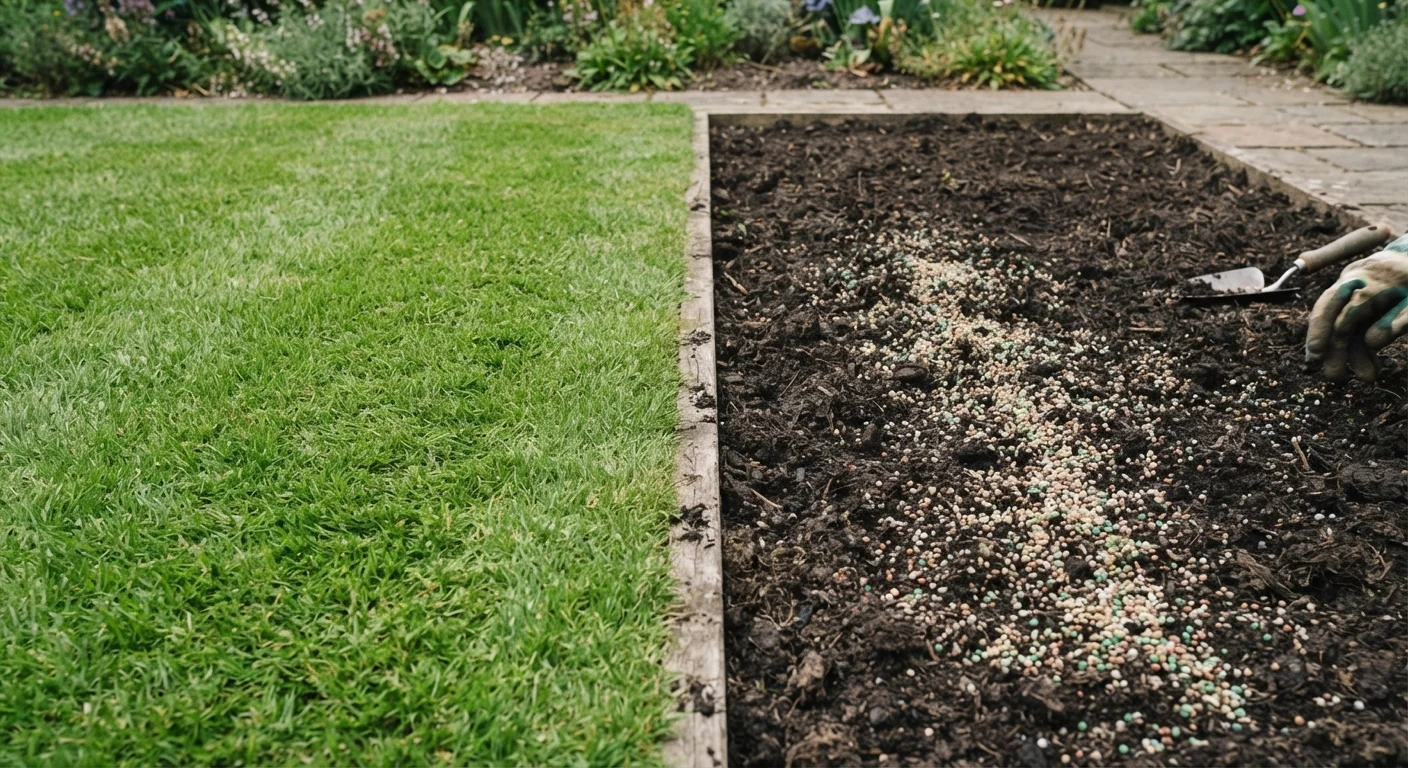
Photo: Online-Searches.net | Explore Insightful Blogs editorial
Key Takeaways
- Organic fertilizers feed soil biology over time; synthetic fertilizers deliver nutrients to grass plants directly and quickly.
- Synthetic options carry a higher risk of nutrient runoff into waterways if over-applied or applied before rain.
- Organic fertilizers generally cost more upfront per nutrient unit but may reduce soil amendment needs long-term.
- Neither type is universally superior — the right choice depends on your lawn's current condition, timeline, and goals.
- A soil test is the single most useful step before choosing any fertilizer type.
How Each Type Actually Works
Understanding fertilizer starts with understanding what your grass is actually eating. All fertilizers ultimately supply the same core nutrients — nitrogen (N), phosphorus (P), and potassium (K) — but the delivery mechanism is fundamentally different.
Organic fertilizers are derived from natural sources: composted manure, bone meal, feather meal, kelp, or worm castings, among others. They don't release nutrients in plant-ready form immediately. Instead, soil microbes — bacteria and fungi — must first break down the organic matter. This biological process is slower, but the payoff is real: as microbes work, they also improve soil structure, water retention, and long-term fertility. Think of organic fertilizer as feeding the ecosystem that feeds your grass.
Synthetic fertilizers are manufactured through industrial chemical processes, and they deliver nitrogen, phosphorus, and potassium in forms that plant roots can absorb almost immediately. There's no waiting on microbial activity. That's why you often see a lawn green up within a week of a synthetic application. The tradeoff is that synthetic fertilizers don't contribute to soil organic matter, and if applied incorrectly, unused nutrients can wash away before grass can absorb them.
Before choosing either option, it pays to understand what your soil already has and what it's missing. Our guide on what your lawn soil is actually telling you walks through how to interpret soil behavior and texture as a starting point.
| Criterion | Organic Fertilizer | Synthetic Fertilizer |
|---|---|---|
| Nutrient release speed | Slow (weeks to months) | Fast (days) |
| Soil biology benefit | Feeds and builds microbial life | Minimal to none |
| Runoff risk | Lower | Higher if over-applied |
| Cost per nutrient unit | Generally higher | Generally lower |
| Application frequency | Fewer applications needed | More frequent reapplication |
| Risk of fertilizer burn | Low | Higher at excess rates |
| Best use timing | Spring and fall soil building | Mid-season nutrient correction |
Cost, Application, and Long-Term Soil Impact
On a per-pound-of-nutrient basis, synthetic fertilizers are typically less expensive than organic alternatives. A bag of synthetic 30-0-4 lawn fertilizer often provides more nitrogen per dollar than a comparable weight of feather meal or compost-based product. However, cost comparisons aren't always straightforward — organic materials contribute to soil health in ways that reduce the need for additional soil amendments down the road.
~40–60%
Nitrogen lost to leaching with synthetic fertilizers
Research from land-grant university extension programs suggests a significant portion of synthetic nitrogen can be lost to leaching or volatilization if timing or rates are off.
3–5x
Longer nutrient release window for organic vs. synthetic
Slow-release organic fertilizers can continue releasing nutrients for 8–16 weeks, compared to 2–4 weeks for many standard synthetic formulations.
Application frequency is another practical difference. Most synthetic lawn fertilizers require three to five applications per growing season to maintain results, because nutrients are consumed or leached relatively quickly. Organic fertilizers, especially slow-release types, may need fewer applications because nutrients are released gradually over weeks or months as soil temperatures support microbial activity.
For homeowners who are seeding a lawn from scratch, the choice of fertilizer matters especially during establishment. New seedlings have limited root systems and can be burned by high-concentration synthetic fertilizers if applied too heavily — always follow label rates precisely.
One underappreciated factor is the risk of over-application. Both fertilizer types can cause harm if used excessively, but synthetic fertilizers carry a steeper risk of nitrogen runoff into groundwater and nearby waterways, particularly on slopes or when rain follows application too closely. If your yard borders a stream, pond, or storm drain, this is worth serious consideration. Pairing fertilizer decisions with other lawn care practices — like core aeration — can also improve nutrient absorption and reduce runoff.
Making the Call for Your Lawn
There's no universal right answer here. The most useful first step any homeowner can take is a basic soil test — available through many university extension offices and garden centers — which tells you your soil's pH, current nutrient levels, and organic matter content. That information makes the organic vs. synthetic decision much clearer.
If your soil test shows depleted organic matter, compaction issues, or a struggling microbial profile, organic fertilizer is likely to produce better outcomes over a two- to three-season horizon. If your lawn is in decent structural shape but showing nutrient deficiency symptoms mid-season, a targeted synthetic application may be the faster, more precise fix.
Many experienced lawn owners use a practical hybrid approach: building soil biology with organic materials in spring and fall, then using a modest synthetic boost during peak summer stress if the turf demands it. This isn't a rule — it's a flexible strategy that matches inputs to actual lawn conditions rather than a calendar.
If you're also managing weeds alongside fertility, it's worth exploring how fertilizer choice interacts with weed pressure. A thick, well-fed lawn is one of the most effective weed suppressors there is — but some chemical weed control products are incompatible with organic soil programs. Our overview of non-chemical weed control approaches covers complementary strategies that work well alongside organic fertility programs.
Whatever you choose, applying fertilizer at the right rate and at the right time for your grass type and climate region will always matter more than the product itself.
The content provided on our blog site traverses numerous categories, offering readers valuable and practical information. Readers can use the editorial team’s research and data to gain more insights into their topics of interest. However, they are requested not to treat the articles as conclusive. The website team cannot be held responsible for differences in data or inaccuracies found across other platforms. Please also note that the site might also miss out on various schemes and offers available that the readers may find more beneficial than the ones we cover.