
Coastal Maine in the Off-Season: What Changes and What Doesn't

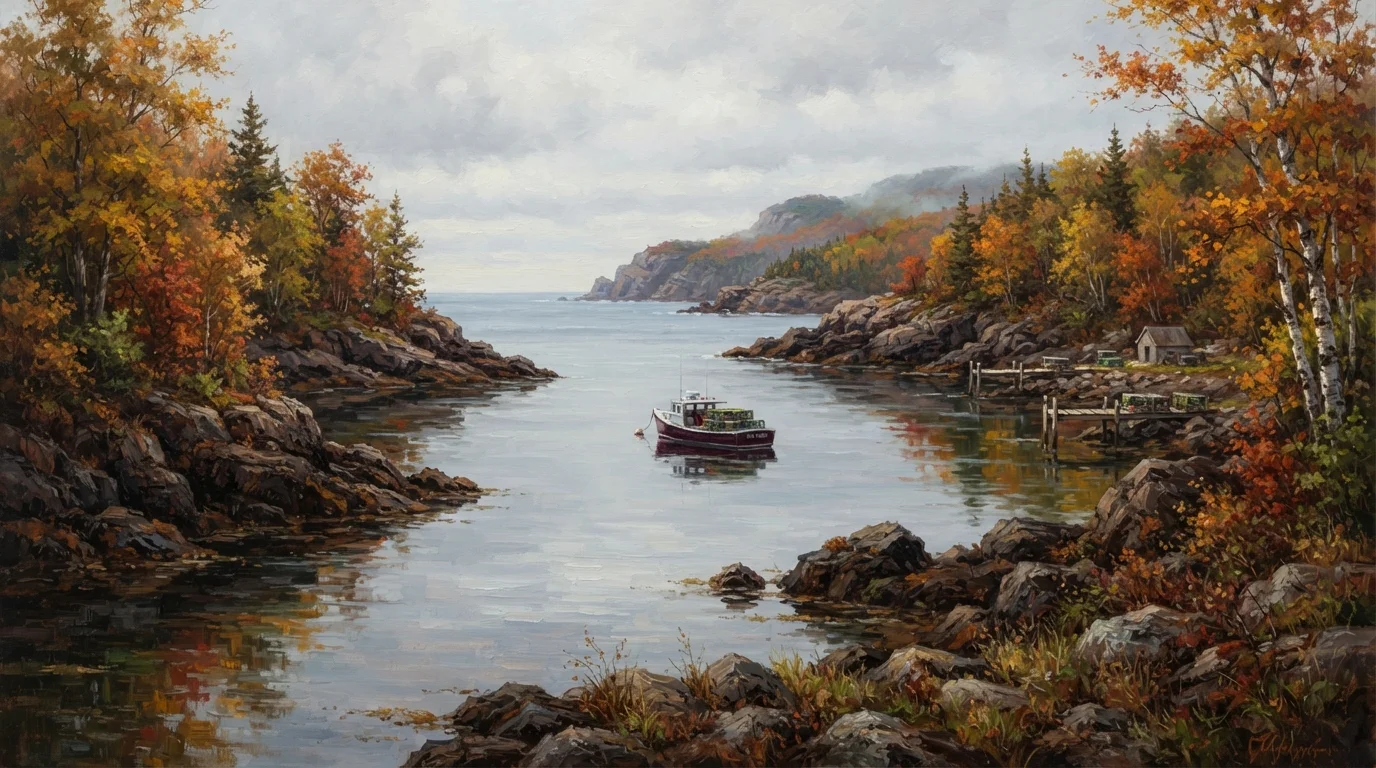
Photo: Online-Searches.net | Explore Insightful Blogs editorial
Key Takeaways
- Many coastal Maine towns see dramatically reduced services and closures from October through May.
- Fall foliage and winter solitude offer compelling reasons to visit outside of peak summer months.
- Lodging is generally easier to find and less expensive in the off-season, though options thin out considerably.
- Weather varies widely — spring and fall are mild, while winter brings real cold and coastal storms.
- Some experiences, like lobster shacks and whale watching tours, are largely seasonal and unavailable year-round.
Dramatically fewer crowds at parks and harbors
Acadia National Park sees the vast majority of its visitors between June and August; off-season visits mean accessible trailheads, uncrowded carriage roads, and serene harbor views that summer simply can't offer.
Lodging is easier to book and typically less expensive
Year-round inns and B&Bs often reduce rates significantly outside of peak season, and last-minute availability is far more common — a genuine relief after summer's booking pressure.
Fall foliage creates stunning coastal scenery
Maine's foliage season runs from mid-September through October, blending classic New England color with tidal coves and fishing villages in a combination that's hard to match anywhere in the U.S.
A more authentic, local atmosphere prevails
With the tourist infrastructure dialed back, you're more likely to interact with year-round residents, fishermen, and artists who define the coast's actual character rather than its summer-visitor version.
Hiking and outdoor exploration feel uncrowded
Trails in Acadia and along the Bold Coast in Washington County are genuinely quiet from October onward, rewarding hikers with solitude and wildlife sightings that busy summer seasons rarely allow.
Many seasonal businesses close entirely
A significant portion of Maine's coastal restaurants, galleries, tour operators, and attractions are open only from Memorial Day through Columbus Day weekend. Arriving expecting summer's full menu of options will lead to disappointment.
Iconic seafood shacks are largely unavailable
The lobster pound and clam shack experience is deeply seasonal; most close by mid-October, and those that operate year-round are concentrated in larger towns like Portland and Rockland.
Winter weather brings genuine hazards
Nor'easters, black ice, and coastal storm surges are real considerations from December through March. Ferry service to offshore islands can be suspended for days, and some coastal roads become difficult to navigate safely.
Accommodation options thin out considerably
Outside of Portland, Rockland, and a few larger towns, year-round lodging can be limited to a single inn or motel — and even those may close for a month or two in deepest winter.
Whale watching and boat tours are seasonal
Most whale-watching and sailing excursions operate only from late spring through early fall; off-season visitors will need to find other ways to experience the water.
The Rhythm of an Off-Season Coast
Maine's coastline stretches for nearly 3,500 miles of tidal shoreline, and in summer it hums with tourists, lobster boats, and art galleries throwing open their doors. Come September, that energy starts its gradual retreat — and by November, whole stretches of Route 1 feel like a different world. That shift is the entire point for many off-season visitors.
Understanding what you're actually walking into matters. This isn't like visiting a city that simply gets colder. Coastal Maine is built around a summer economy, and large parts of it genuinely hibernate. Planning around that reality — rather than against it — is how the trip works. For context on how seasonal timing shapes destination experiences more broadly, see peak season vs. off-season travel tradeoffs.
What the Off-Season Actually Looks Like by Season
Fall (September–October) is arguably the most rewarding off-season window. Summer crowds thin after Labor Day, but most restaurants, inns, and attractions remain open through mid-October. Foliage peaks inland first and moves toward the coast, creating a warm amber-and-crimson backdrop over harbors and saltwater farms. Temperatures are mild — typically 45°F to 65°F — and the lobster is still very much available.
Late fall into early winter (November–December) is when the real pullback happens. Many seasonal businesses close entirely. Towns like Kennebunkport, Bar Harbor, and Boothbay Harbor shift into a skeleton-crew mode. Those that stay open often reduce hours significantly. Accommodations narrow to a handful of year-round inns, and dining options in smaller towns can drop to just one or two spots.
Winter (January–March) brings genuine cold, coastal wind, and the occasional nor'easter. This is the quietest and most raw version of Maine. Some travelers seek exactly this — dramatic surf, empty breakwaters, and a sense of solitude that summer simply can't offer. But roads can be icy, some scenic byways become difficult, and services are scarce. If you're road-tripping, it's worth reviewing winter vehicle preparation before you go.
Spring (April–May) is transitional and underrated. Wildflowers emerge along coastal paths, migrating birds return, and businesses begin reopening. Mud season affects inland roads, but the coast itself can be lovely, especially by May.
3.5M+
Annual visitors to Acadia National Park
According to National Park Service data, Acadia consistently draws over 3.5 million visitors annually, with the large majority arriving between June and August.
~3,500 mi
Miles of tidal shoreline in Maine
Maine's official tidal shoreline measurement, accounting for every cove and inlet, makes it one of the longest and most varied coastlines in the continental United States.
Advantages of Visiting Outside of Summer
Dramatically fewer crowds at parks and harbors
Acadia National Park sees the vast majority of its visitors between June and August; off-season visits mean accessible trailheads, uncrowded carriage roads, and serene harbor views that summer simply can't offer.
Lodging is easier to book and typically less expensive
Year-round inns and B&Bs often reduce rates significantly outside of peak season, and last-minute availability is far more common — a genuine relief after summer's booking pressure.
Fall foliage creates stunning coastal scenery
Maine's foliage season runs from mid-September through October, blending classic New England color with tidal coves and fishing villages in a combination that's hard to match anywhere in the U.S.
A more authentic, local atmosphere prevails
With the tourist infrastructure dialed back, you're more likely to interact with year-round residents, fishermen, and artists who define the coast's actual character rather than its summer-visitor version.
Hiking and outdoor exploration feel uncrowded
Trails in Acadia and along the Bold Coast in Washington County are genuinely quiet from October onward, rewarding hikers with solitude and wildlife sightings that busy summer seasons rarely allow.
The off-season has a genuinely different atmosphere — one that many repeat Maine visitors actually prefer. Acadia National Park, one of the most visited parks in the country, draws millions of visitors in July and August; by October, parking at trailheads is no longer a battle. The Carriage Roads and summit of Cadillac Mountain can feel like your own quiet discovery rather than a crowd-navigating exercise.
For a sense of how seasonal timing can reshape an entire trip's character, Iceland's seasonal travel guide offers a useful parallel — different context, same principle.
The Real Limitations to Plan Around
Many seasonal businesses close entirely
A significant portion of Maine's coastal restaurants, galleries, tour operators, and attractions are open only from Memorial Day through Columbus Day weekend. Arriving expecting summer's full menu of options will lead to disappointment.
Iconic seafood shacks are largely unavailable
The lobster pound and clam shack experience is deeply seasonal; most close by mid-October, and those that operate year-round are concentrated in larger towns like Portland and Rockland.
Winter weather brings genuine hazards
Nor'easters, black ice, and coastal storm surges are real considerations from December through March. Ferry service to offshore islands can be suspended for days, and some coastal roads become difficult to navigate safely.
Accommodation options thin out considerably
Outside of Portland, Rockland, and a few larger towns, year-round lodging can be limited to a single inn or motel — and even those may close for a month or two in deepest winter.
Whale watching and boat tours are seasonal
Most whale-watching and sailing excursions operate only from late spring through early fall; off-season visitors will need to find other ways to experience the water.
None of these limitations are dealbreakers, but they require honest planning. If you're set on a specific restaurant or activity, call ahead — don't assume. And build flexibility into your itinerary, because a winter nor'easter can close roads and cancel ferry service to islands like Monhegan without much warning.
Portland Is a Year-Round Exception
The content provided on our blog site traverses numerous categories, offering readers valuable and practical information. Readers can use the editorial team’s research and data to gain more insights into their topics of interest. However, they are requested not to treat the articles as conclusive. The website team cannot be held responsible for differences in data or inaccuracies found across other platforms. Please also note that the site might also miss out on various schemes and offers available that the readers may find more beneficial than the ones we cover.