
Gluten-Free Eating When You Don't Have Celiac Disease

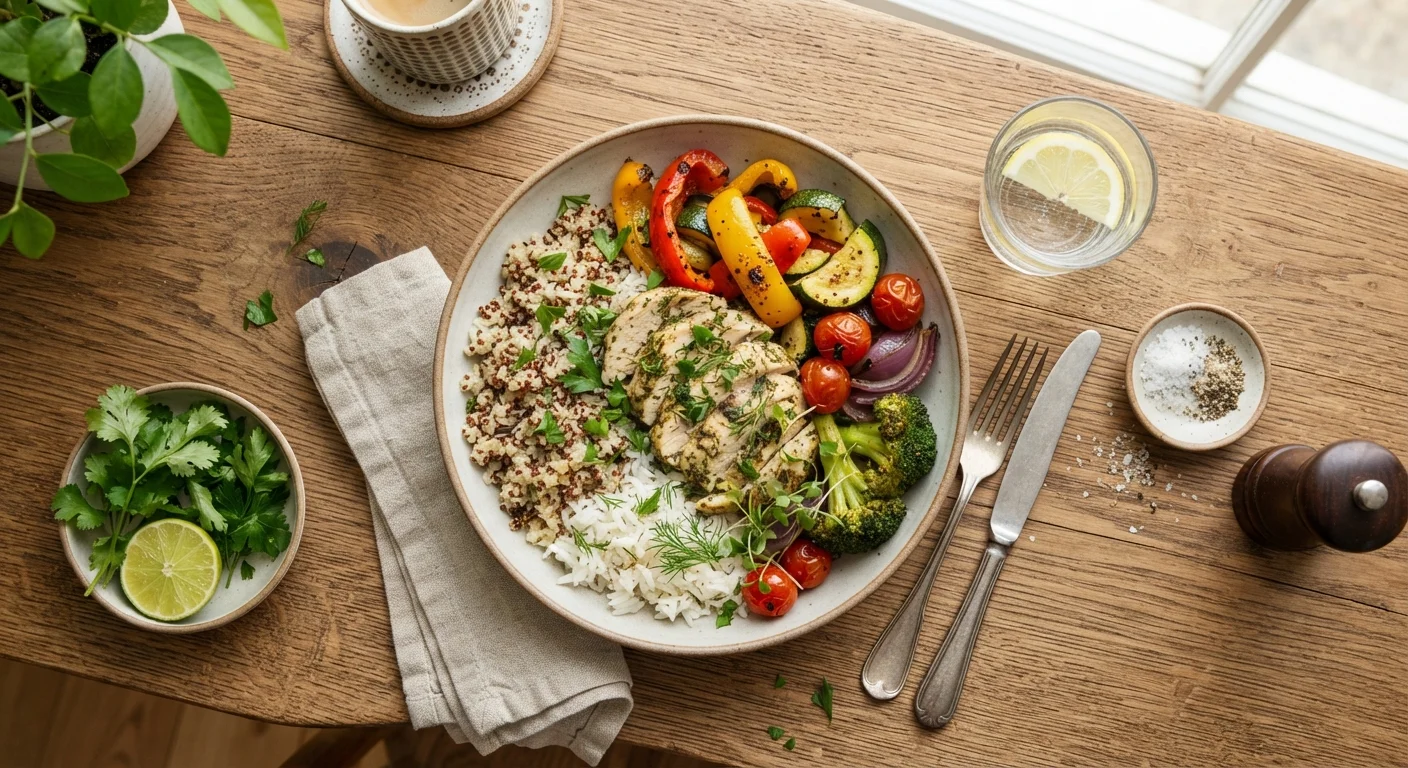
Photo: Online-Searches.net | Explore Insightful Blogs editorial
Key Takeaways
- Going gluten-free without celiac disease or a diagnosed sensitivity offers no proven health benefit for most people.
- Some people with non-celiac gluten sensitivity may experience genuine symptom relief by eliminating gluten.
- Gluten-free packaged foods are often lower in fiber and higher in sugar than their conventional counterparts.
- A gluten-free diet can create nutritional gaps in B vitamins, iron, and fiber if not carefully planned.
- Consulting a registered dietitian before eliminating gluten helps avoid unnecessary restrictions and nutrient deficiencies.
May relieve digestive symptoms for sensitive individuals
People with non-celiac gluten sensitivity often report reduced bloating, abdominal discomfort, and irregular digestion after eliminating gluten. While the mechanism isn't fully established, symptom relief can meaningfully improve daily quality of life.
Encourages replacing ultra-processed foods with whole foods
Cutting out bread, crackers, and pasta can prompt people to eat more vegetables, legumes, rice, and other minimally processed foods — improvements that benefit health regardless of gluten's role.
Raises awareness of ingredient labels and food composition
Navigating a gluten-free diet requires reading labels carefully, which tends to make people more informed about what's in their food overall — a useful habit for any healthy eating approach.
Essential and life-improving for those with celiac disease
For the roughly 1% of Americans with celiac disease, strict gluten avoidance is medically necessary to prevent intestinal damage, nutrient malabsorption, and long-term complications.
No proven benefit for people without a diagnosis
Research has not demonstrated that gluten causes harm or that removing it improves health outcomes in people without celiac disease, NCGS, or wheat allergy. Choosing this diet without a medical reason may create unnecessary restrictions.
Gluten-free packaged foods often less nutritious
Many commercial gluten-free breads, pastas, and snacks are made with refined starches low in fiber and higher in added sugars compared to whole-grain conventional alternatives.
Significant nutritional gaps if diet is poorly planned
Eliminating wheat, barley, and rye removes key sources of B vitamins, iron, and fiber. Without deliberate planning or supplementation, deficiencies can develop over time.
Considerably more expensive than a conventional diet
Gluten-free specialty products frequently cost two to three times more than standard equivalents, adding a meaningful financial burden for households managing a grocery budget.
Social and practical challenges in everyday life
Dining out, attending events, and traveling all become more logistically complex on a strict gluten-free diet, which can create social friction and increase stress around mealtimes.
Can delay proper diagnosis of celiac disease
Self-eliminating gluten before being tested for celiac disease can cause diagnostic tests to return false negatives, potentially leaving a serious autoimmune condition undetected and untreated.
What Gluten Actually Is — and Why It Matters
Gluten is a group of proteins found naturally in wheat, barley, and rye. It gives bread its chew, pasta its structure, and baked goods their rise. For most people, these proteins are digested without issue. For others, the story is more complicated.
There are three distinct conditions that involve gluten. Celiac disease is an autoimmune condition in which gluten triggers an immune response that damages the lining of the small intestine. Non-celiac gluten sensitivity (NCGS) — sometimes called gluten intolerance — describes people who experience real symptoms like bloating, fatigue, or brain fog after eating gluten but test negative for celiac disease and wheat allergy. Wheat allergy is an immune response to wheat proteins more broadly, not specifically to gluten.
If you don't have any of these conditions, gluten itself is not harmful to your gut. That's the starting point for an honest conversation about whether going gluten-free is worth it for you. See our guide to whole grains vs. refined grains for context on what wheat actually provides nutritionally.
Potential Benefits Worth Considering
May relieve digestive symptoms for sensitive individuals
People with non-celiac gluten sensitivity often report reduced bloating, abdominal discomfort, and irregular digestion after eliminating gluten. While the mechanism isn't fully established, symptom relief can meaningfully improve daily quality of life.
Encourages replacing ultra-processed foods with whole foods
Cutting out bread, crackers, and pasta can prompt people to eat more vegetables, legumes, rice, and other minimally processed foods — improvements that benefit health regardless of gluten's role.
Raises awareness of ingredient labels and food composition
Navigating a gluten-free diet requires reading labels carefully, which tends to make people more informed about what's in their food overall — a useful habit for any healthy eating approach.
Essential and life-improving for those with celiac disease
For the roughly 1% of Americans with celiac disease, strict gluten avoidance is medically necessary to prevent intestinal damage, nutrient malabsorption, and long-term complications.
The benefits above are real — but they come with important caveats. Symptom relief is most meaningful when a genuine sensitivity exists. And the dietary quality improvements often come from eating more whole foods, not from removing gluten specifically. Researchers studying NCGS note that self-reported symptom improvement can be influenced by the placebo effect, which makes it difficult to isolate gluten as the cause.
If you're curious whether gluten affects you personally, a short elimination period followed by a structured reintroduction — ideally guided by a registered dietitian — is a more informative approach than simply switching to gluten-free packaged alternatives.
Real Drawbacks to Weigh Carefully
No proven benefit for people without a diagnosis
Research has not demonstrated that gluten causes harm or that removing it improves health outcomes in people without celiac disease, NCGS, or wheat allergy. Choosing this diet without a medical reason may create unnecessary restrictions.
Gluten-free packaged foods often less nutritious
Many commercial gluten-free breads, pastas, and snacks are made with refined starches low in fiber and higher in added sugars compared to whole-grain conventional alternatives.
Significant nutritional gaps if diet is poorly planned
Eliminating wheat, barley, and rye removes key sources of B vitamins, iron, and fiber. Without deliberate planning or supplementation, deficiencies can develop over time.
Considerably more expensive than a conventional diet
Gluten-free specialty products frequently cost two to three times more than standard equivalents, adding a meaningful financial burden for households managing a grocery budget.
Social and practical challenges in everyday life
Dining out, attending events, and traveling all become more logistically complex on a strict gluten-free diet, which can create social friction and increase stress around mealtimes.
Can delay proper diagnosis of celiac disease
Self-eliminating gluten before being tested for celiac disease can cause diagnostic tests to return false negatives, potentially leaving a serious autoimmune condition undetected and untreated.
FODMAPs May Be the Real Culprit
Cost is a significant barrier many people underestimate. Gluten-free specialty products — breads, pastas, crackers — often cost two to three times more than conventional versions, with no guarantee of superior nutrition. A more budget-conscious approach focuses on naturally gluten-free whole foods like rice, potatoes, legumes, and fresh produce rather than processed substitutes. For practical strategies on managing a special diet at home, see making a special diet work for your household.
Nutritional Gaps to Plan Around
Wheat-based foods — especially whole wheat — contribute meaningful amounts of B vitamins (including folate and thiamin), iron, and dietary fiber to the average American diet. Many conventional grain products are also enriched, meaning nutrients lost during milling are added back. Gluten-free grain alternatives are less consistently enriched.
~1%
Americans with diagnosed celiac disease
Estimates from the National Institutes of Health suggest celiac disease affects approximately 1 in 100 people in the U.S., though many cases remain undiagnosed.
6%
Americans reporting non-celiac gluten sensitivity
Research published in gastroenterology literature estimates that up to 6% of the U.S. population may experience gluten sensitivity without a celiac diagnosis, though precise figures are difficult to confirm.
2–3×
Cost premium for gluten-free specialty products
Consumer food pricing analyses consistently show gluten-free packaged alternatives cost significantly more per unit than conventional grain-based counterparts.
To reduce the risk of deficiencies, center a gluten-free diet around naturally nutrient-dense foods: brown rice, quinoa, oats labeled gluten-free, legumes, nuts, seeds, fruits, and vegetables. If you're switching away from fortified breads and cereals, a healthcare provider can help you assess whether targeted supplementation makes sense for your situation. This is general information — it is not a substitute for personalized medical advice.
It's also worth reading nutrition labels carefully. Some gluten-free products compensate for texture and flavor with added sugar, sodium, or fat. Our look at foods with a health halo is a useful companion for navigating misleading packaging claims.
Making an Informed Decision
Before eliminating gluten, it's worth getting tested for celiac disease — but only while you're still eating gluten. Testing after elimination can produce a false negative, making diagnosis much harder. If tests come back negative and you still suspect sensitivity, keep a detailed food and symptom diary and discuss the findings with a gastroenterologist or dietitian.
If you decide to try gluten-free eating, build the diet around whole, naturally gluten-free foods rather than processed substitutes. This approach is more nutritious, more affordable, and more sustainable long-term. Finding the right dietary approach for your actual life can help you evaluate whether this or another eating pattern genuinely fits your needs. And if restaurant meals are a concern, practical guidance on eating out without abandoning your dietary approach can make social dining far less stressful.
This article is for general informational purposes only and is not a substitute for professional medical or nutritional advice. Always consult a qualified healthcare provider before making significant changes to your diet.
The content provided on our blog site traverses numerous categories, offering readers valuable and practical information. Readers can use the editorial team’s research and data to gain more insights into their topics of interest. However, they are requested not to treat the articles as conclusive. The website team cannot be held responsible for differences in data or inaccuracies found across other platforms. Please also note that the site might also miss out on various schemes and offers available that the readers may find more beneficial than the ones we cover.