
Nutrient Gaps That Frequently Catch New Vegans Off Guard

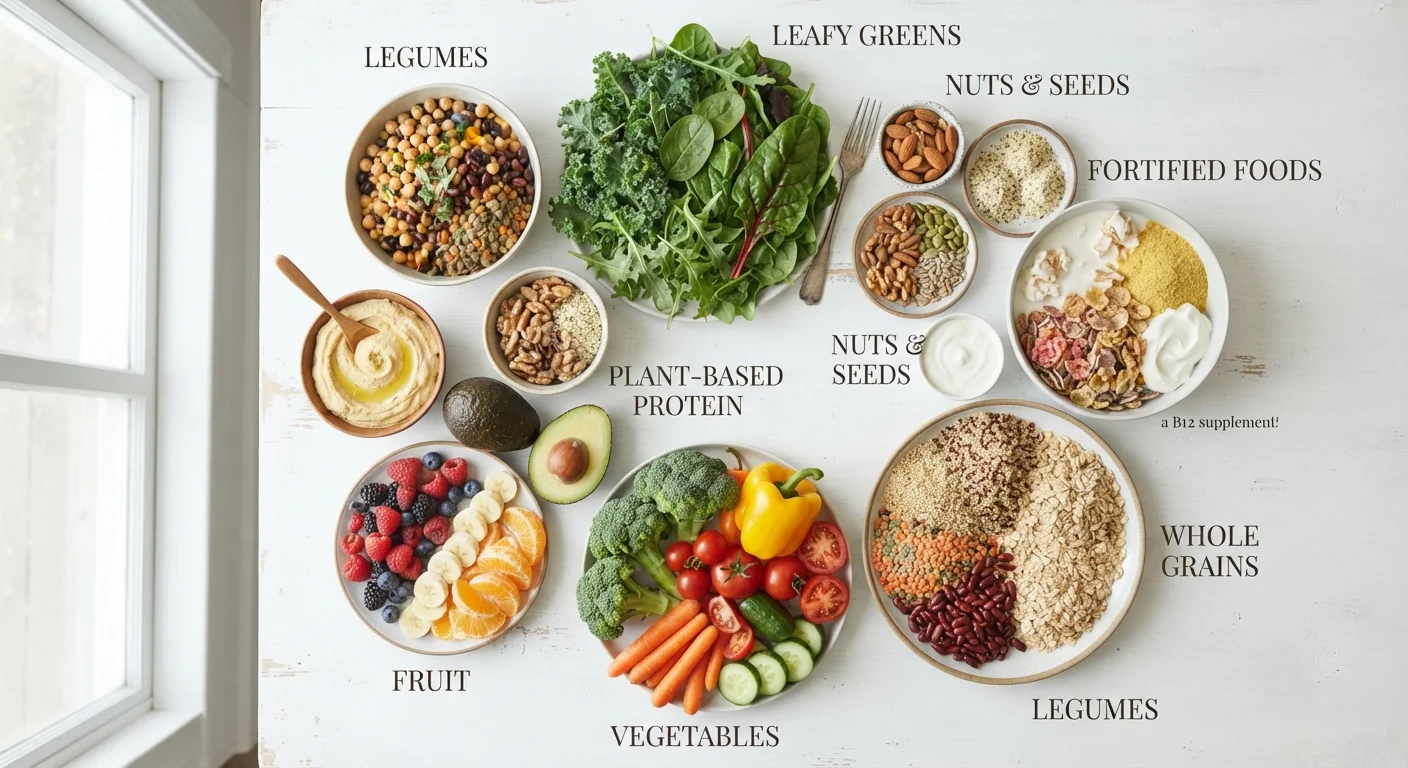
Photo: Online-Searches.net | Explore Insightful Blogs editorial
Why Nutrient Gaps Happen on a Vegan Diet
A vegan diet eliminates all animal-derived foods, which makes it rich in fiber, antioxidants, and many phytonutrients. But several vitamins and minerals are either absent from plant foods entirely or appear in forms the body absorbs less efficiently. Understanding these gaps isn't a reason to avoid veganism — it's a reason to plan thoughtfully.
If you're new to this way of eating, it helps to start with a solid nutrition foundation. Our beginner's guide to nutrition covers the core concepts before you layer in diet-specific considerations. And if you're still sorting out the difference between plant-based and vegan eating, the distinction actually matters when it comes to which nutrient rules apply to you.
The Six Nutrients New Vegans Should Know
Most nutrient shortfalls on a vegan diet trace back to the same short list. Here's what each one does, why plant-based sources fall short, and what to do about it.
Vitamin B12
B12 is produced by microorganisms and is found reliably only in animal products. It's the one supplement that nutrition researchers and registered dietitians broadly agree all vegans should take. Deficiency develops slowly but can cause irreversible nerve damage if left unaddressed. Fortified foods (certain plant milks, nutritional yeast, breakfast cereals) can contribute, but supplementation is the most dependable strategy.
Vitamin D
Most people get vitamin D through sun exposure and fatty fish — neither of which vegans can rely on consistently. D2 (ergocalciferol) is plant-derived and widely available as a supplement; D3 from lichen is another vegan-compatible option. Deficiency is common across the general population, not just among vegans.
Long-Chain Omega-3s (DHA and EPA)
Alpha-linolenic acid (ALA) from flaxseed, walnuts, and chia seeds is a plant-based omega-3, but the body converts only a small fraction of ALA into DHA and EPA — the forms linked to cardiovascular and brain health. Algae-based DHA/EPA supplements bypass this conversion problem entirely, since fish get their omega-3s from algae in the first place.
Iron
Plant foods contain non-heme iron, which is absorbed at a lower rate than the heme iron in meat. Absorption improves significantly when paired with vitamin C-rich foods. Cooking in cast iron and avoiding tea or coffee with meals can also help. See our overview of essential vitamins and minerals for more on how iron functions in the body.
Calcium
Dairy is the dominant calcium source in most American diets. Vegans can get calcium from fortified plant milks, tofu set with calcium sulfate, kale, bok choy, and white beans — but portion sizes need to be intentional. Oxalate-rich foods like spinach bind calcium and reduce how much the body actually absorbs.
Zinc and Iodine
Zinc from plant foods is less bioavailable due to phytates in grains and legumes. Soaking and sprouting these foods improves absorption. Iodine is trickier: it's concentrated in seafood and dairy, and most plant foods have very little. Iodized salt and seaweed are options, though seaweed content varies widely and unpredictably.
Non-heme iron
The form of iron found in plant foods and some animal products. It is absorbed less efficiently than heme iron from meat, but absorption improves when consumed alongside vitamin C.
Bioavailability
The proportion of a nutrient that the body can actually absorb and use from food. Bioavailability varies by nutrient form, food preparation method, and what else is eaten at the same time.
ALA (Alpha-linolenic acid)
A plant-based omega-3 fatty acid found in flaxseed, chia seeds, and walnuts. The body can convert it to DHA and EPA, but this conversion is limited and inefficient.
DHA and EPA
Long-chain omega-3 fatty acids linked to heart and brain health. Found directly in fatty fish and algae; vegan sources include algae-based supplements.
Phytates
Compounds found naturally in grains, legumes, and seeds that can bind to minerals like zinc and iron, reducing how much the body absorbs. Soaking, sprouting, or fermenting these foods can reduce phytate content.
Fortified food
A food product that has had nutrients added during processing — for example, plant milks fortified with calcium and vitamin D, or breakfast cereals fortified with B12.
Practical Steps to Close the Gaps
Knowing the gaps is half the work. Here's how to address them practically without overhauling your entire diet:
- Get a baseline blood test. Before supplementing broadly, ask your healthcare provider to check B12, vitamin D, and iron levels. This tells you where you actually stand.
- Treat B12 as non-negotiable. This is the one supplement with near-universal agreement among nutrition professionals for vegans.
- Pair iron sources with vitamin C. Lentils with tomatoes, spinach with lemon juice — this pairing measurably improves absorption.
- Read labels on fortified foods. Not all plant milks are fortified equally. Check the nutrition facts for calcium and vitamin D content specifically.
- Consider an algae-based DHA/EPA supplement. This is especially relevant for people who were previously eating little fish.
A broader look at how diet patterns interact with nutrient intake is available in our article on plant-based eating strengths and gaps. And if you've found yourself chasing every new nutrition trend, it's worth recognizing where nutrition thinking commonly goes wrong.
This article is for general informational purposes only and is not a substitute for personalized medical or dietary advice. Speak with a registered dietitian or your healthcare provider before making significant dietary changes or starting supplements, especially if you have an existing health condition or are pregnant.
The content provided on our blog site traverses numerous categories, offering readers valuable and practical information. Readers can use the editorial team’s research and data to gain more insights into their topics of interest. However, they are requested not to treat the articles as conclusive. The website team cannot be held responsible for differences in data or inaccuracies found across other platforms. Please also note that the site might also miss out on various schemes and offers available that the readers may find more beneficial than the ones we cover.