
DIY or Call a Pro? A Room-by-Room Look at Common Home Repairs

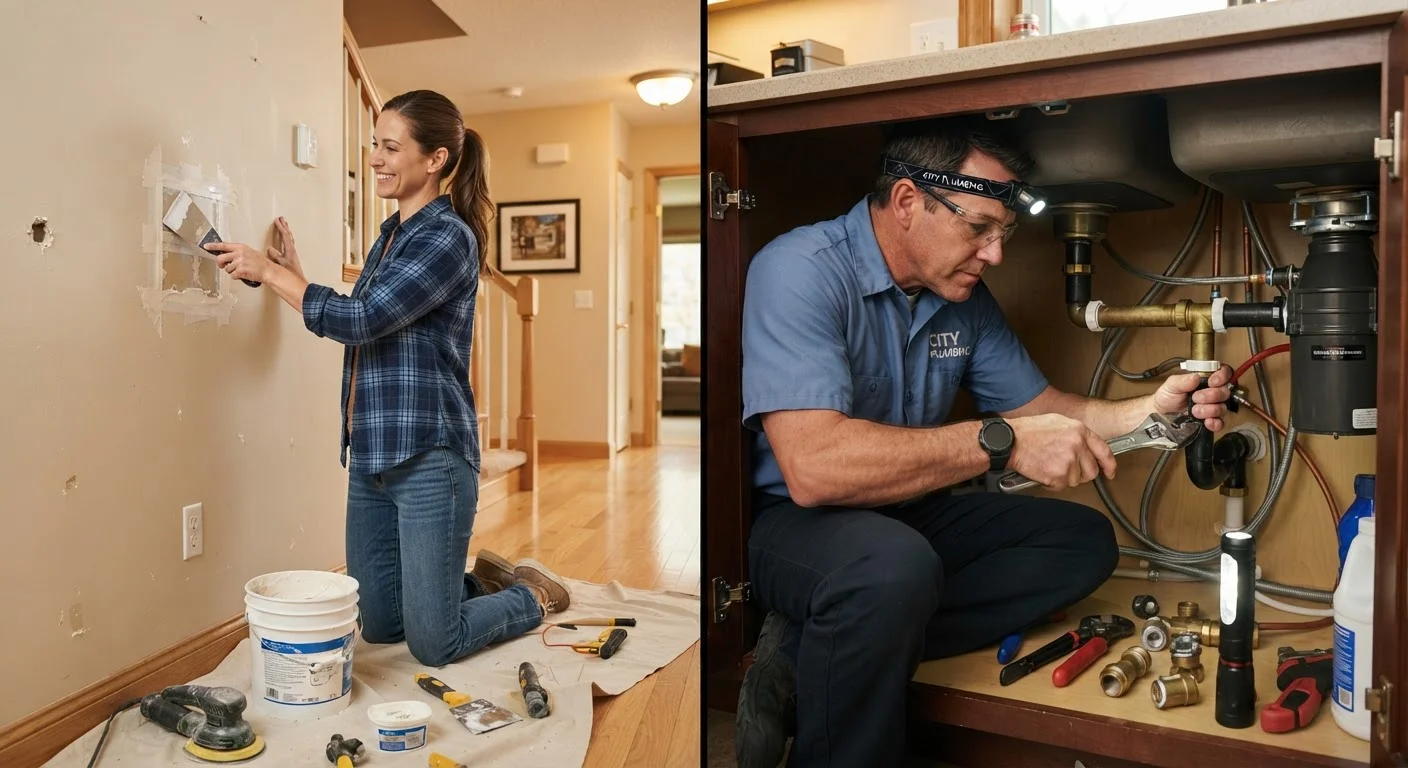
Photo: Online-Searches.net | Explore Insightful Blogs editorial
Key Takeaways
- Cosmetic repairs like painting, caulking, and minor drywall patches are generally safe DIY territory for most homeowners.
- Electrical, gas, and structural work almost always requires a licensed professional and often a permit.
- Task complexity, risk level, and local code requirements should all factor into your DIY-or-pro decision.
- A botched DIY repair can cost more to fix than hiring a pro from the start.
- Pulling the right permits protects your home's value and your safety—skipping them carries real consequences.
The Core Question: Risk, Skill, and Code
Every repair decision comes down to three factors: how much risk is involved if something goes wrong, what skill level the task genuinely requires, and whether local building codes mandate a licensed professional or a permit. Run any repair through those three filters before deciding.
Cosmetic work — painting, caulking, patching small holes — is generally low-risk, well-documented, and forgiving of beginner mistakes. Mechanical and structural work is different. Errors can be invisible until they become dangerous, and they may violate code even if they look fine to the eye. For a broader look at how projects are structured from the start, see our complete home improvement planning guide.
| Repair Type | DIY Friendly | Skill Level | Permit Often Required | Risk If Done Wrong | |
|---|---|---|---|---|---|
| Interior painting | Yes | Beginner | No | Low — cosmetic rework | |
| Drywall patching (small holes) | Yes | Beginner–Intermediate | No | Low — visible imperfections | |
| Tile replacement (single tile) | Yes, with care | Intermediate | Rarely | Medium — grout/alignment issues | |
| Faucet or toilet replacement | Often yes | Intermediate | Rarely | Medium — water damage from leaks | |
| GFCI outlet replacement | Possibly, if confident | Intermediate | Varies by locality | High — shock or fire risk | |
| Electrical panel or wiring | No | Professional only | Yes | Severe — fire, electrocution | |
| Gas line repair or appliance hookup | No | Professional only | Yes | Severe — explosion, CO poisoning | |
| Load-bearing wall removal | No | Professional only | Yes | Severe — structural collapse | |
| Roof patching (minor, accessible) | Situational | Intermediate | Rarely | High — falls, hidden damage | |
| Caulking (tub, windows, trim) | Yes | Beginner | No | Low — cosmetic redo |
Kitchen and Bathroom: High Stakes, Mixed Options
Kitchens and bathrooms concentrate the most regulated systems in your home — plumbing supply and drain lines, electrical circuits (often requiring GFCI protection by code), and ventilation. That said, not every task here requires a pro.
Safe DIY territory
- Replacing a faucet or toilet: Shutting off supply valves and swapping fixtures is manageable for homeowners comfortable with basic plumbing. The key is ensuring connections are watertight before restoring water pressure.
- Re-caulking a tub or shower: Removing old caulk and applying a fresh bead is a beginner task that prevents costly water damage if done consistently.
- Swapping a showerhead or towel bar: No permits, no specialized skills — just the right hardware and a wrench.
Call a professional
- Moving or adding supply/drain lines: Changes to mains plumbing typically require a permit and a licensed plumber in most states.
- Installing a new circuit or relocating outlets: Kitchen and bathroom electrical work is code-specific and carries genuine shock and fire risk. Even a GFCI outlet swap warrants caution if you're not confident working with live wiring.
For tile work — a common kitchen and bath project — technique matters more than most beginners expect. Our tile installation guide walks through layout and setting principles that prevent permanent mistakes.
Check Local Codes Before You Start
Living Areas and Bedrooms: Mostly DIY-Friendly
Living rooms, bedrooms, and hallways are the most forgiving spaces for homeowners to work in. The systems here — paint, trim, drywall, flooring — are well within reach of someone willing to do a little research and take their time.
Confident DIY picks
- Painting walls and ceilings: Preparation — cleaning, priming, taping — determines the quality of the result far more than technique. See our interior painting guide for a stage-by-stage walkthrough.
- Patching drywall: Small holes from nails or doorknobs are beginner-level fixes. Larger holes require a backing patch and more finishing skill, but are still DIY-viable with practice. Our drywall repair guide covers the full range of damage types.
- Installing trim or baseboards: A miter saw and patience go a long way. Coped joints take practice, but basic butt joints are accessible for beginners.
Know your limits
- Adding or moving electrical outlets or fixtures: Even in low-traffic rooms, this is permitted work in most jurisdictions and involves real risk. Have a licensed electrician handle it.
- Removing walls: Never assume a wall is non-load-bearing without professional assessment. Removing a load-bearing wall without proper support and permitting can compromise the structure of the entire home.
Never DIY These Without a License
When to Stop and Call a Pro
Even skilled DIYers hit a point where calling in a professional is the correct decision — not a defeat. A few reliable signals that it's time to make that call:
- The work requires a permit and inspection. Permitted work protects you legally and financially. Skipping permits can complicate home sales and void insurance claims.
- You've opened up a wall and found something unexpected — mold, knob-and-tube wiring, or undersized framing. These discoveries change the scope of the project entirely.
- The task involves gas, the main electrical panel, or structural framing. These are not areas where learning by trial and error is acceptable.
- A failed first attempt has made things worse. Compounding damage by continuing rarely saves money.
When you do hire out, going in prepared makes the process smoother. Our guide on questions to ask before hiring a contractor gives you a practical checklist covering licensing, insurance, and payment terms. And if this is part of a larger renovation, understanding how a renovation project unfolds will help you manage expectations from start to finish.
The content provided on our blog site traverses numerous categories, offering readers valuable and practical information. Readers can use the editorial team’s research and data to gain more insights into their topics of interest. However, they are requested not to treat the articles as conclusive. The website team cannot be held responsible for differences in data or inaccuracies found across other platforms. Please also note that the site might also miss out on various schemes and offers available that the readers may find more beneficial than the ones we cover.